Kent State University • Introduction to Visual Communication Design, Studio
Black-and-White Abstraction: Point, Line, and Plane
Student designer: Jordon Ely
Assignment and teaching focus
This foundation assignment asks students to translate a provided image into simplified black-and-white compositions. By separating point, line, and plane studies before recombining them, the exercise directs attention to the contribution of each visual element.
Students identify edges, shapes, and value relationships, explore alternatives through thumbnails, and refine figure-ground relationships, rhythm, and visual weight. The expectation of multiple studies makes exploration part of the assignment rather than a preliminary step to bypass.
Selected student response
Using a Swiss Army knife as the source, Jordon’s sequence moves from contour and value reduction to sparse points, structural lines, planes, textures, and combined compositions. Comparing these studies makes the consequences of each choice visible: density can imply form, line direction can suggest movement, and a few planes can establish mass. The final integration is presented alongside its alternatives, giving the process an evidentiary role in the selection.
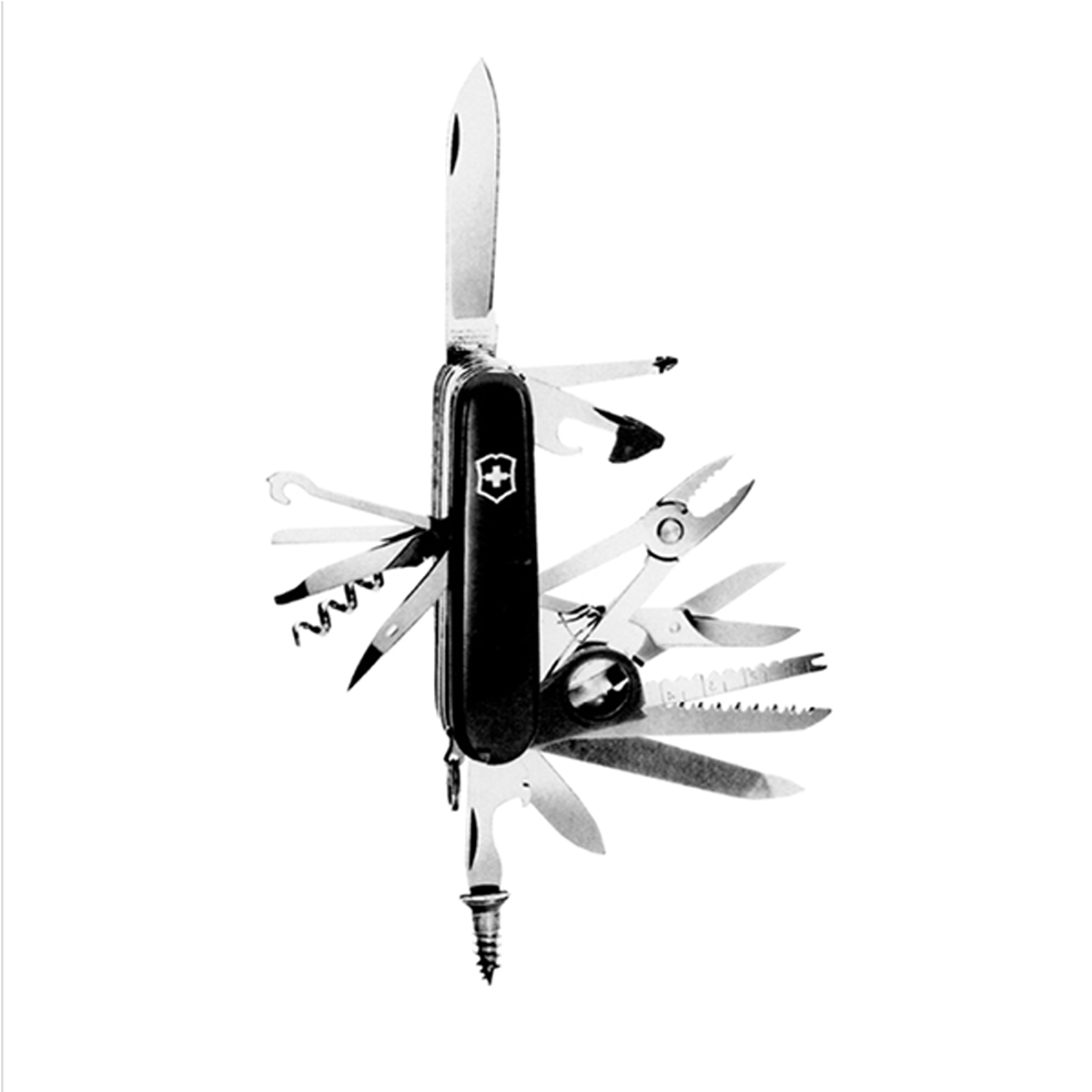
Source image: A Swiss Army knife provides a complex arrangement of tools, edges, and overlapping forms for the abstraction studies.
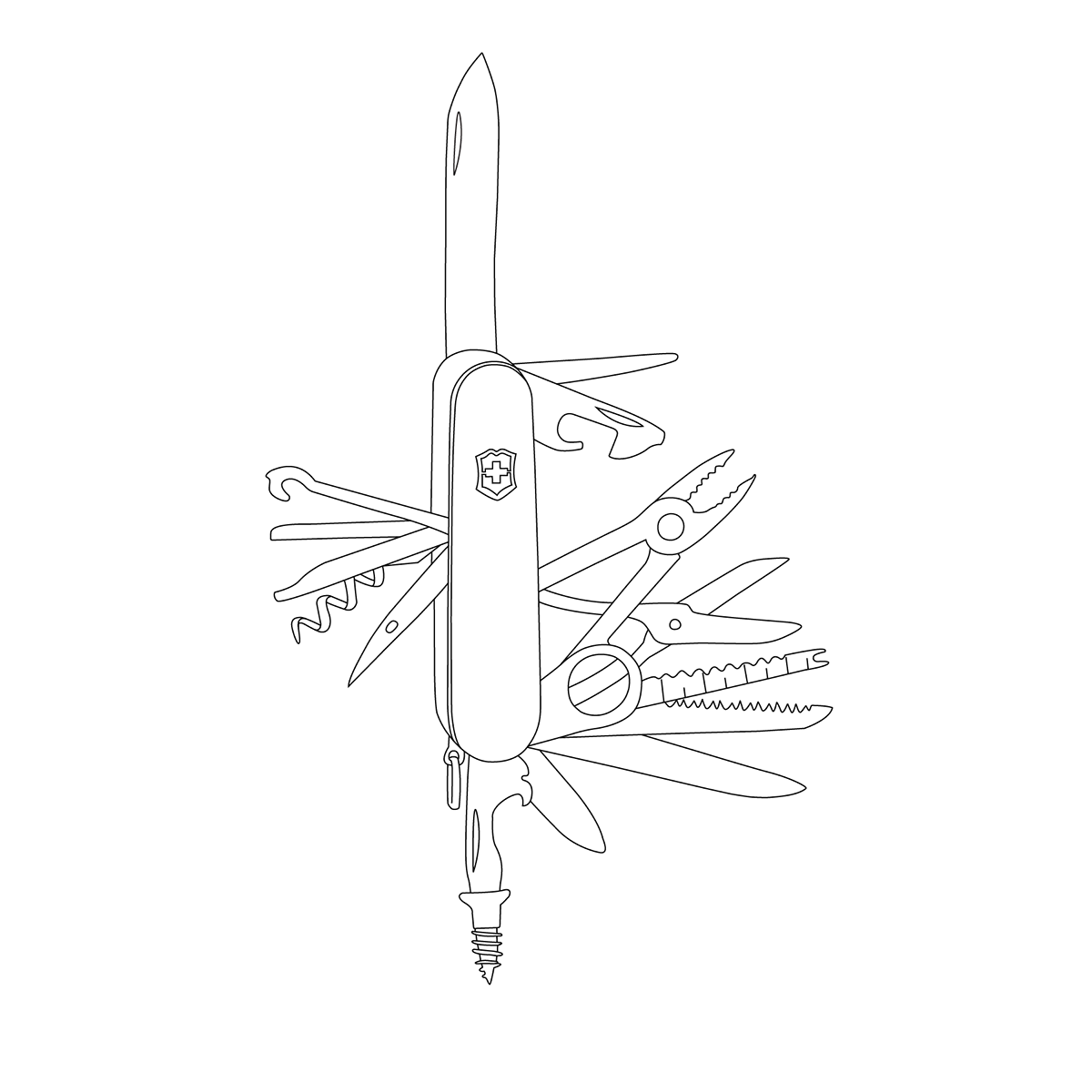
Contour study: Dominant edges establish an initial silhouette.
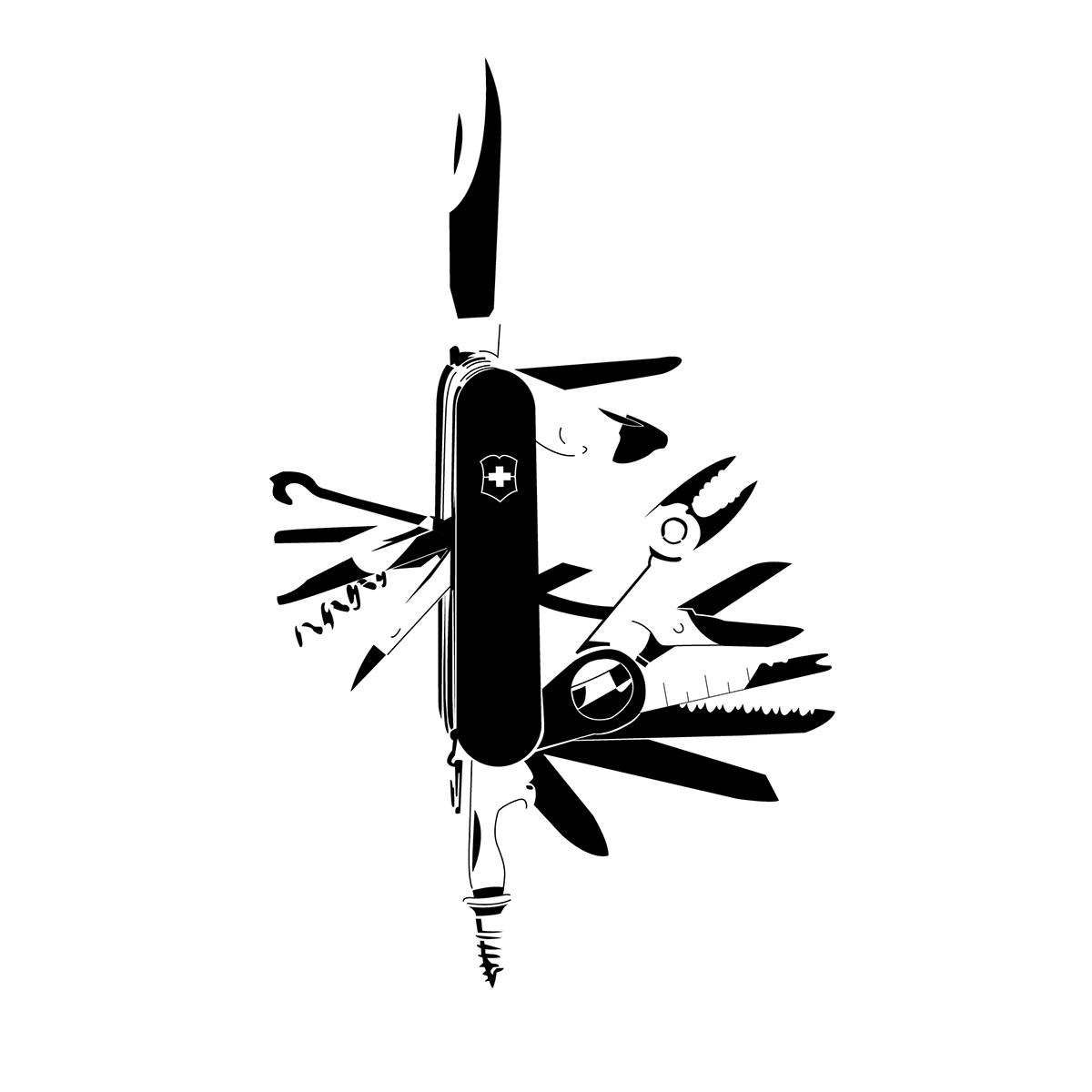
High-contrast reduction: Black-and-white masses isolate value and visual weight.
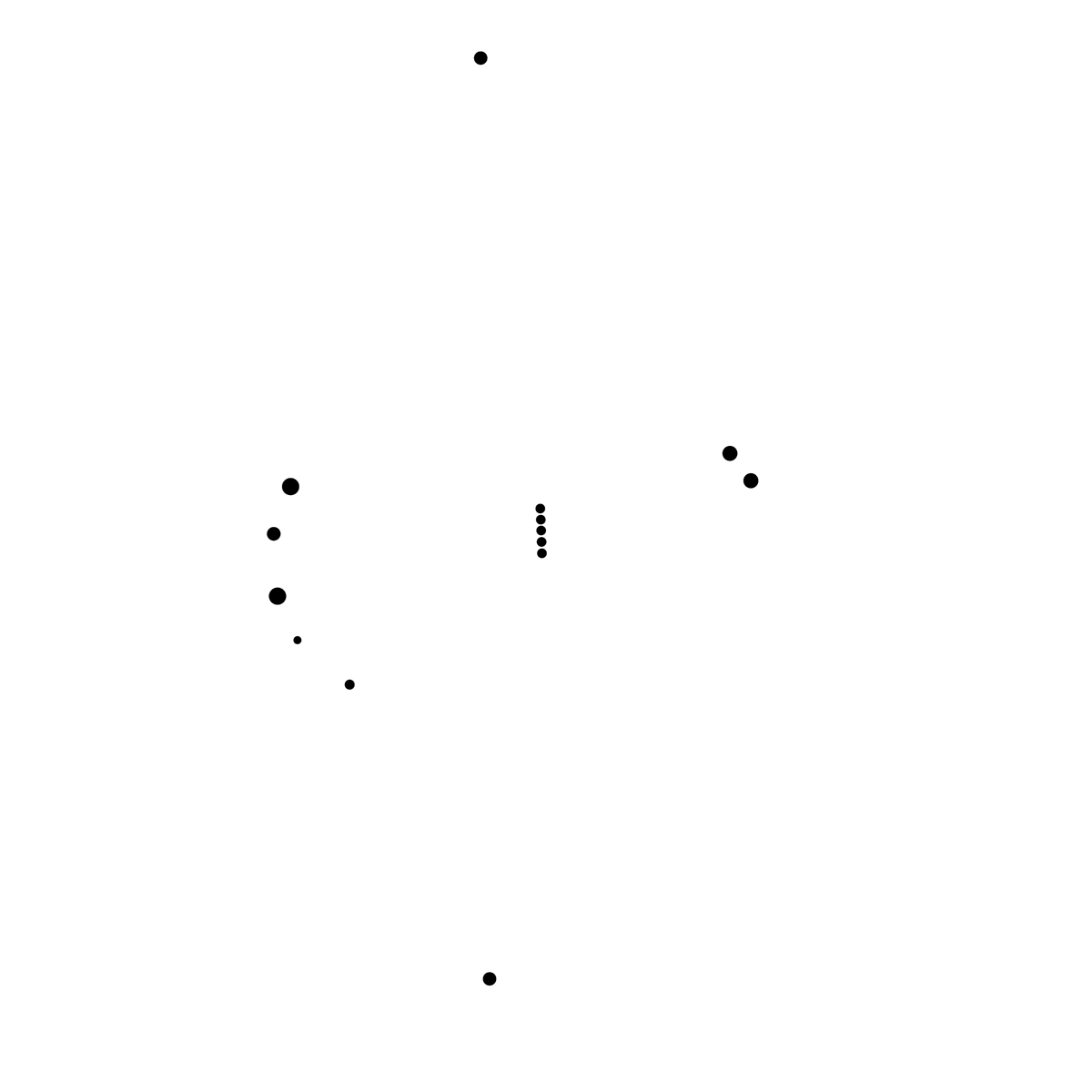
Point study, minimal: Sparse points test proportion and placement.
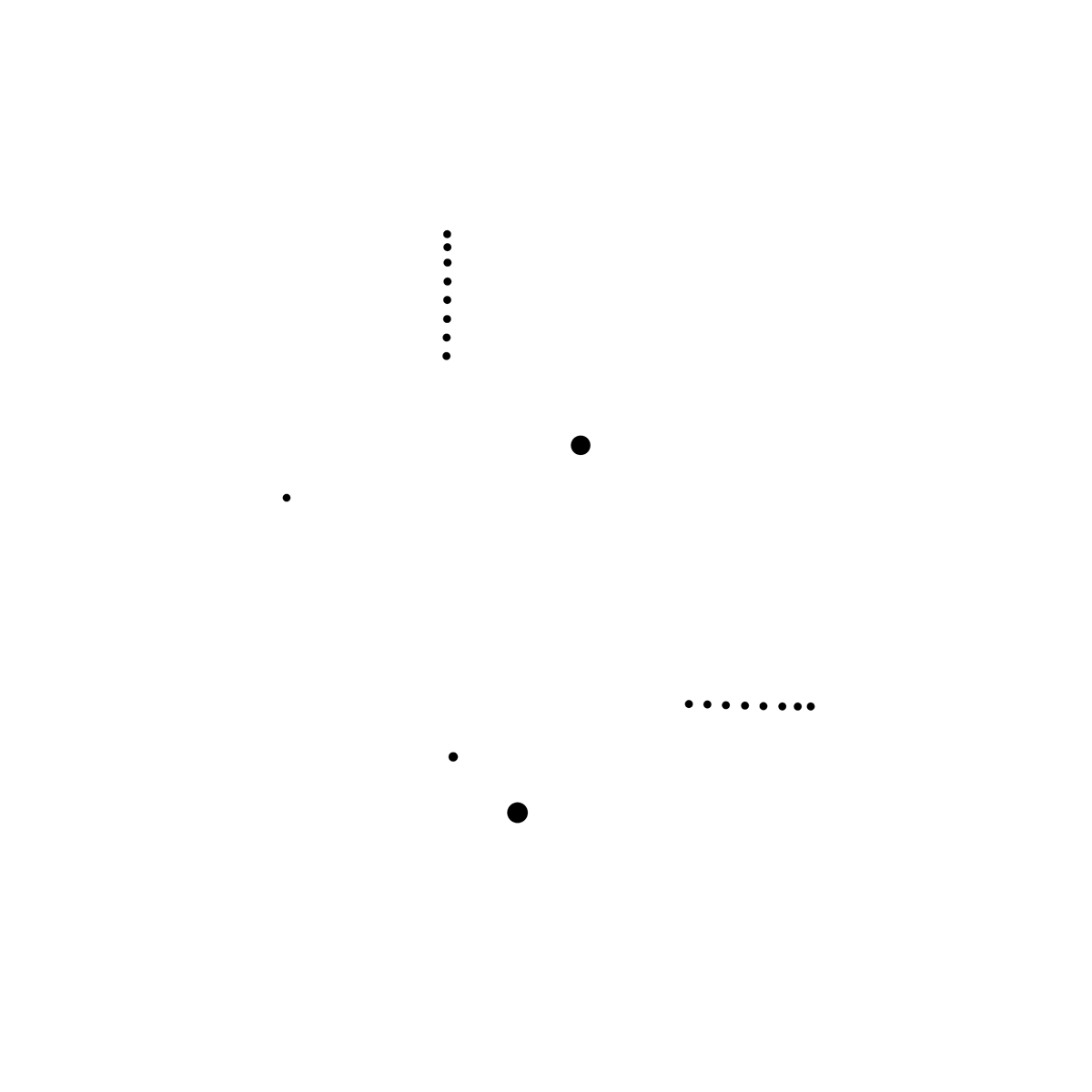
Point study, expanded: Density and scale variation introduce rhythm.
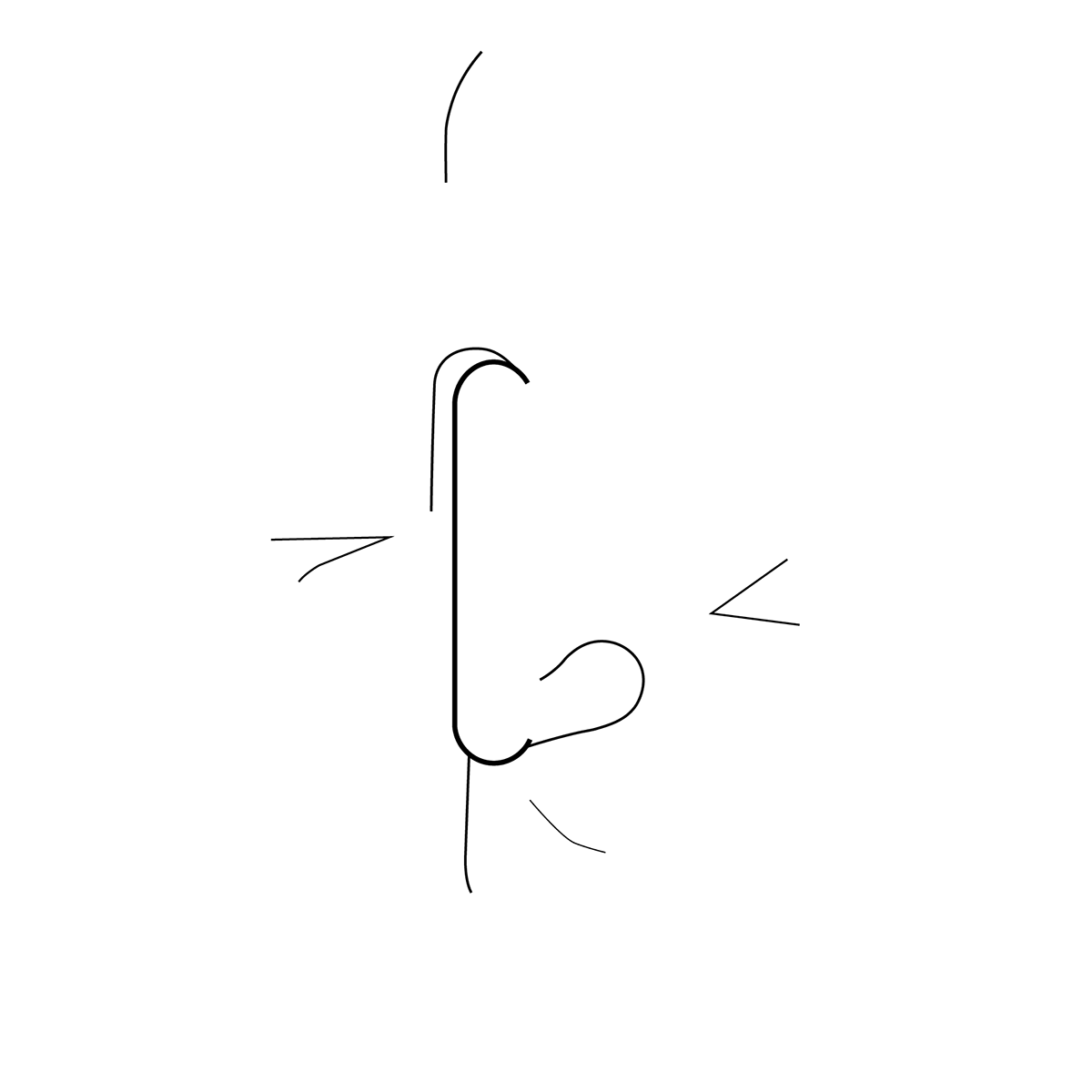
Line study, minimal: A few marks identify principal directions.
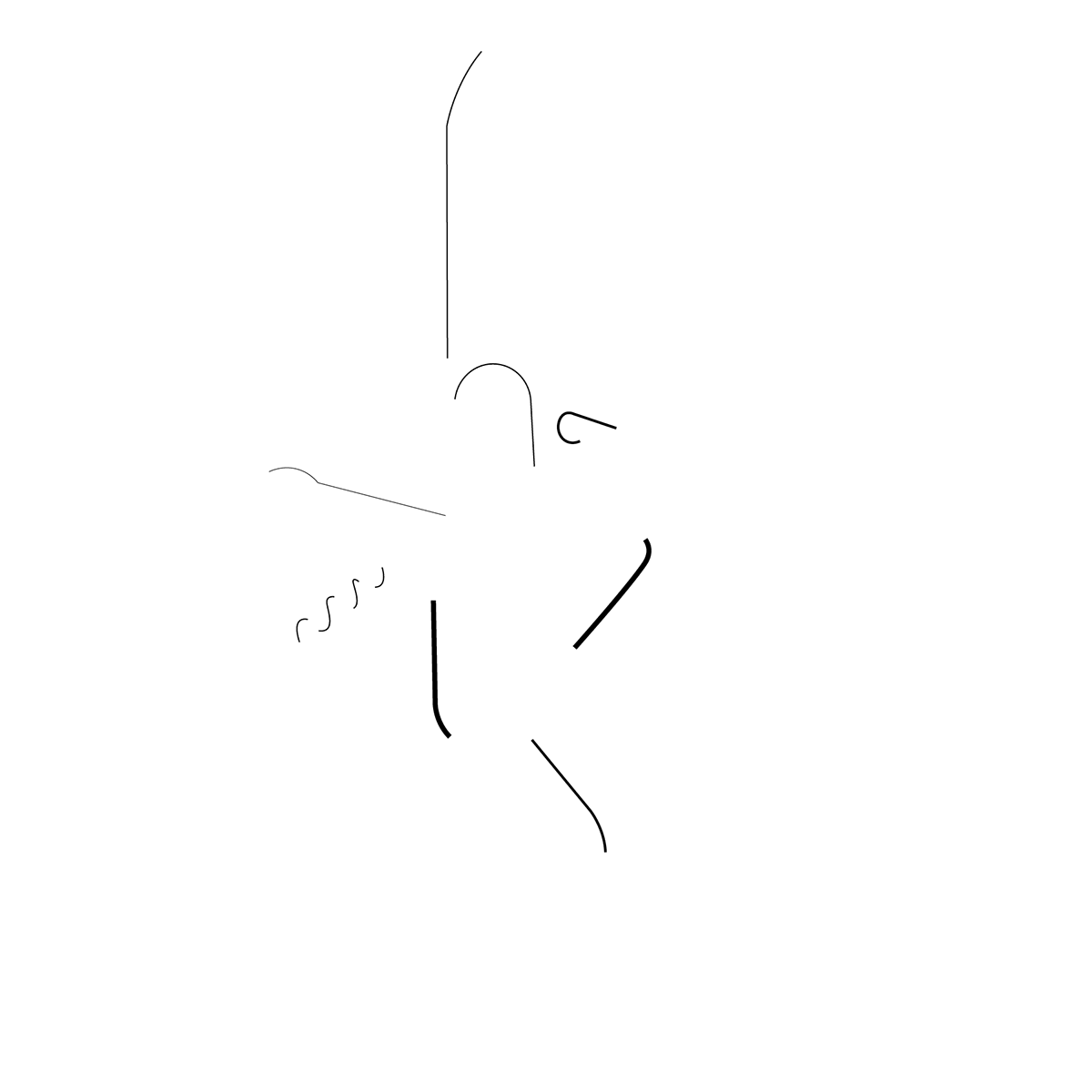
Line study, refined: Curves and stroke variation suggest volume and gesture.
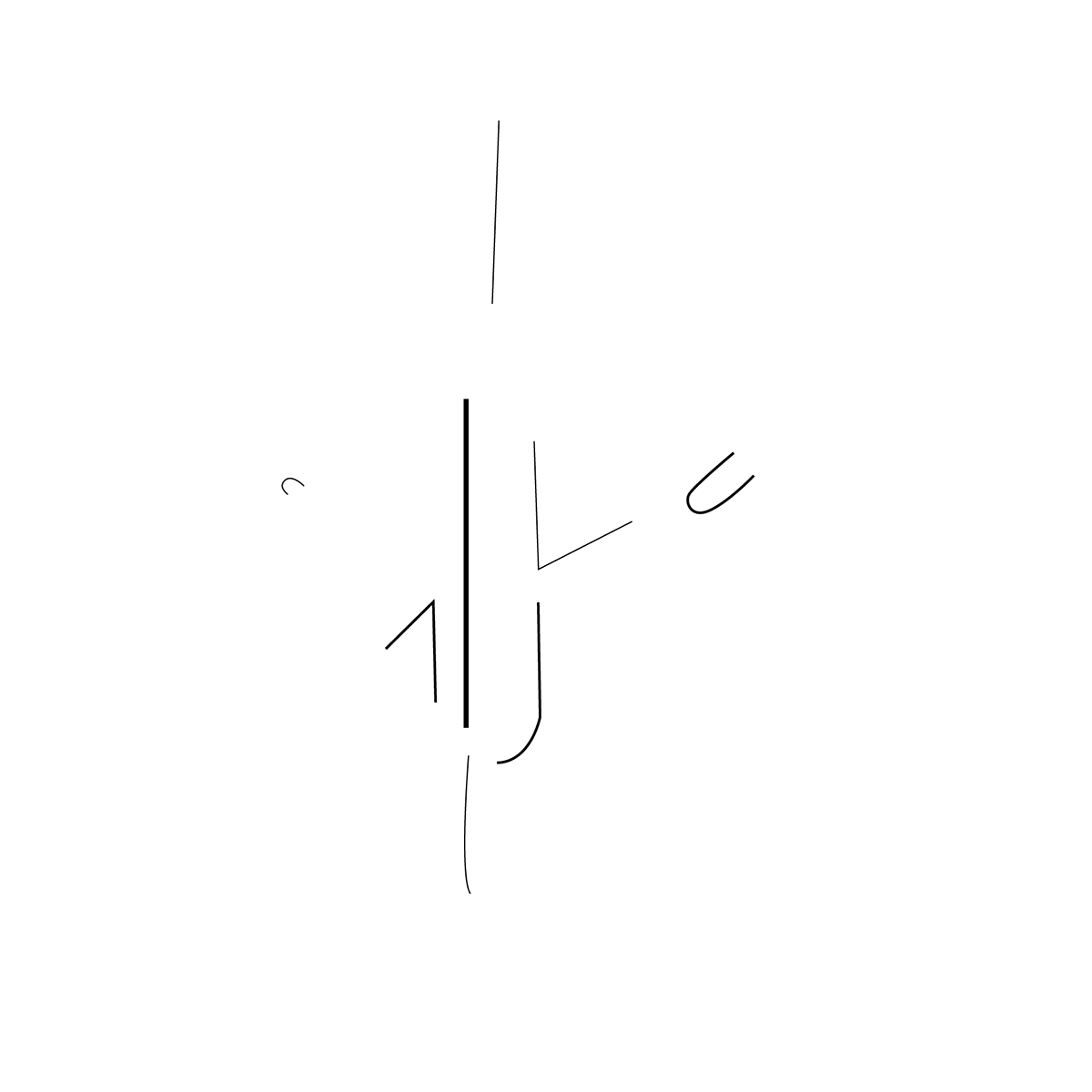
Line study, exploratory: Asymmetry and directional changes introduce tension.
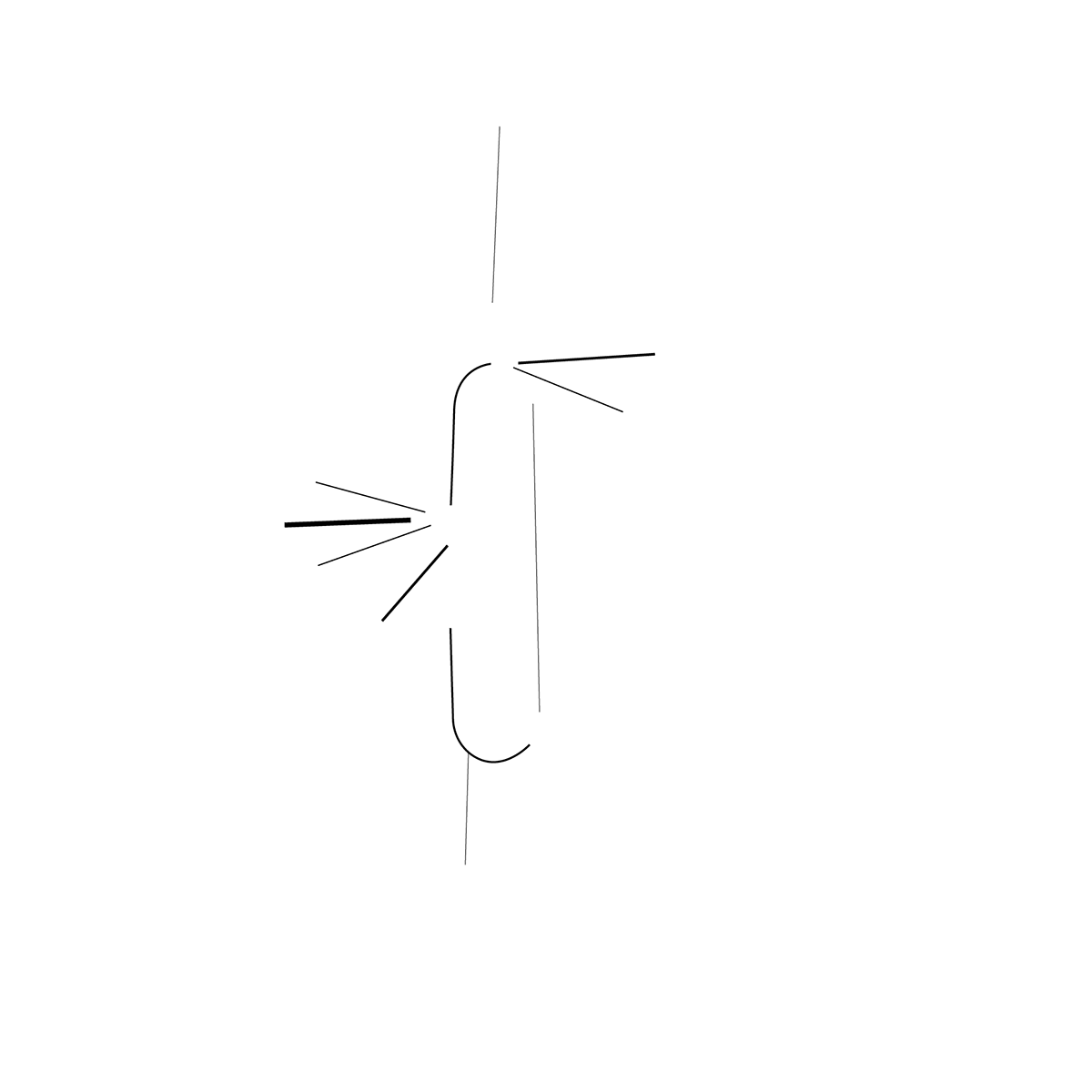
Line study, consolidated: Fewer marks concentrate the description of form.
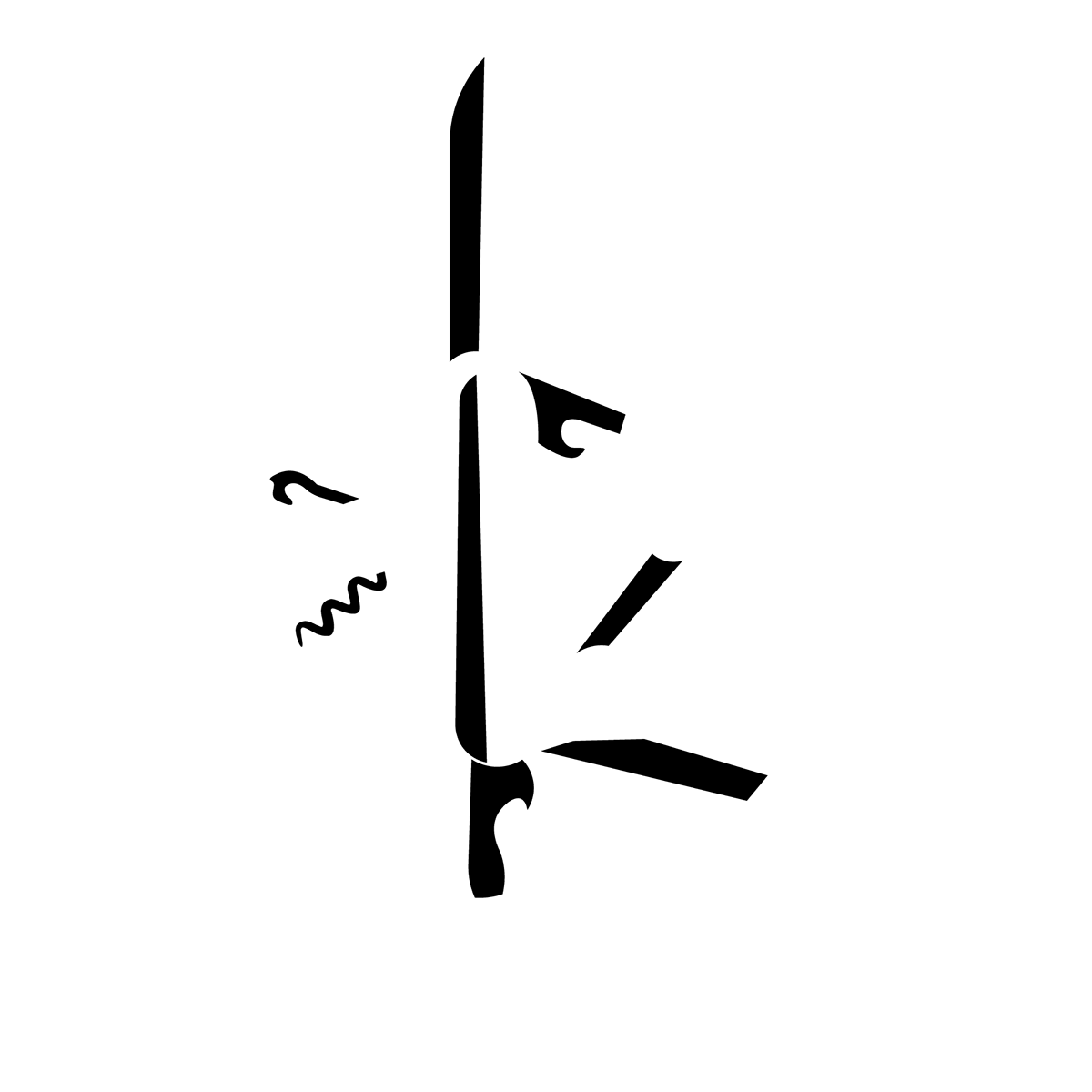
Plane study, minimal: Large shapes establish mass and negative space.
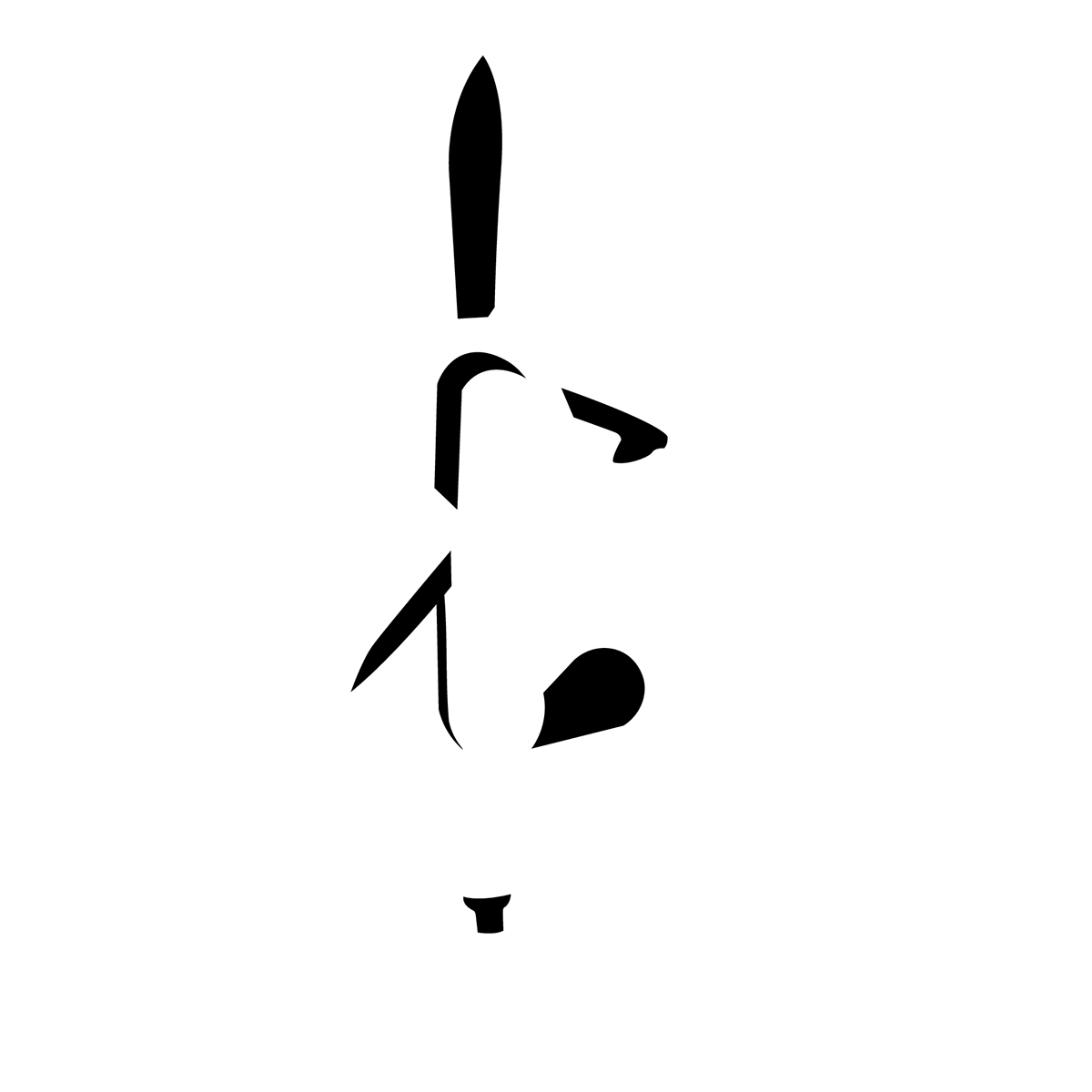
Plane study, developed: Additional planes test transitions between figure and ground.
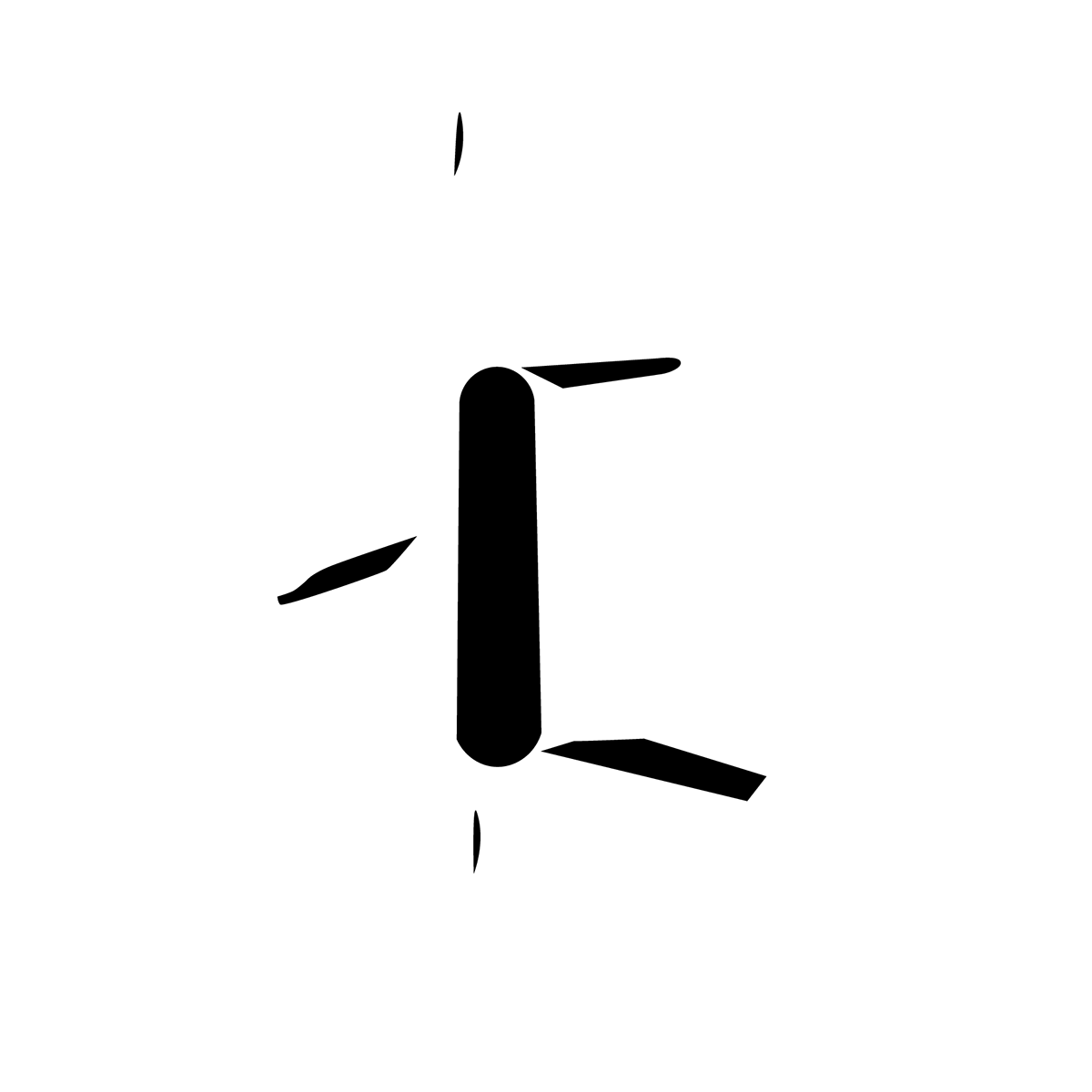
Plane study, refined: Shape reduction concentrates the composition’s hierarchy.
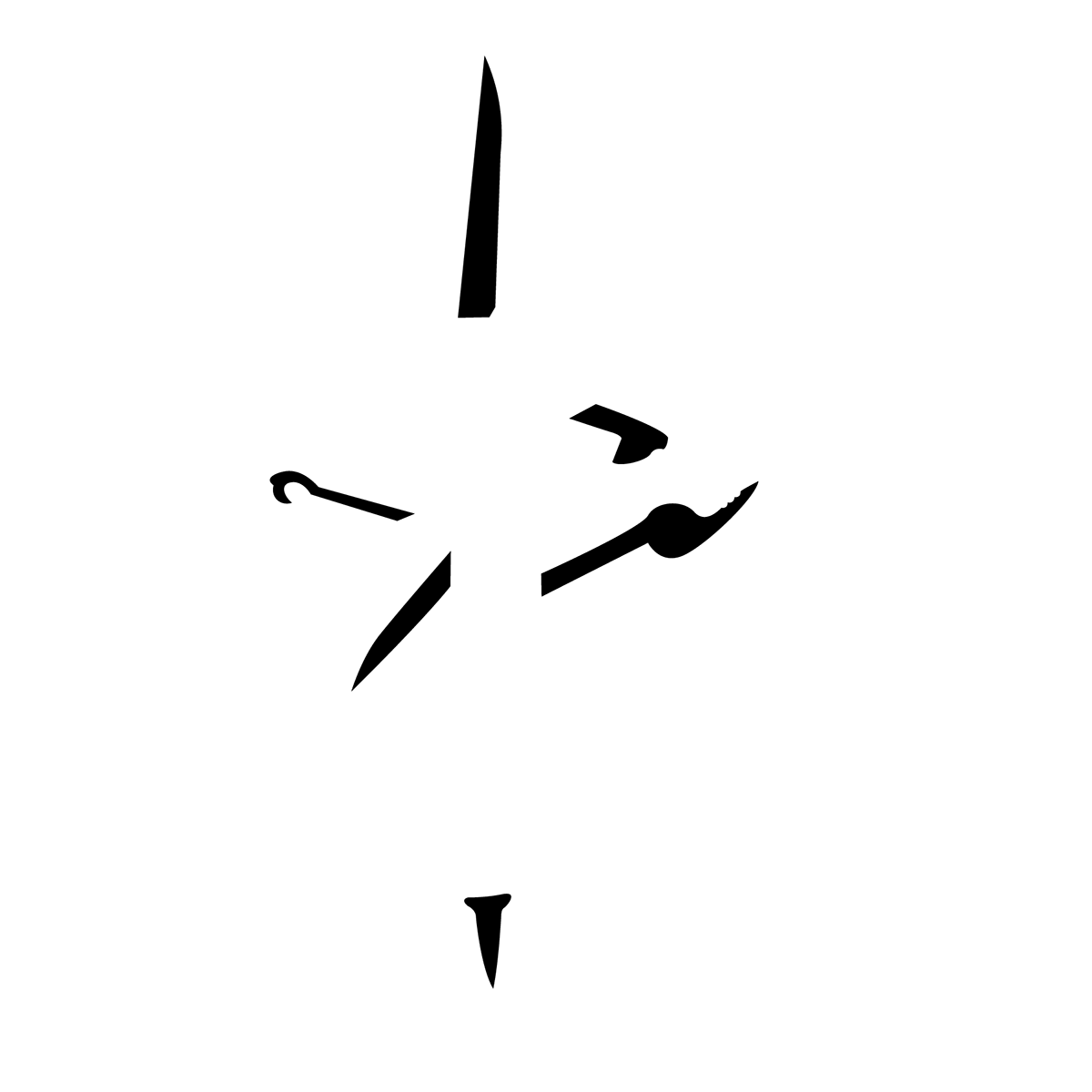
Plane study, alternate: A different arrangement tests emphasis and balance.
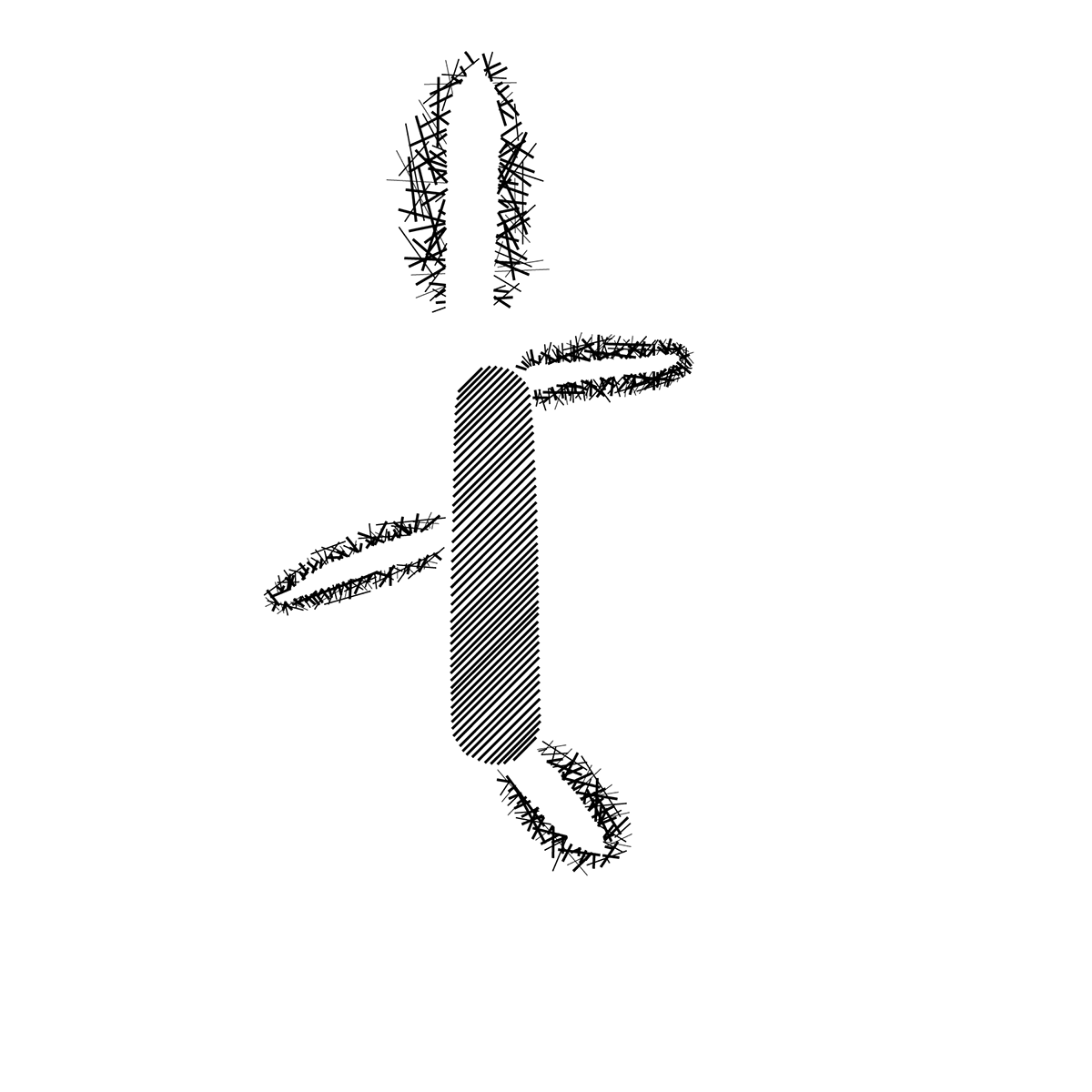
Plane as texture: Repeated shapes suggest material and depth.
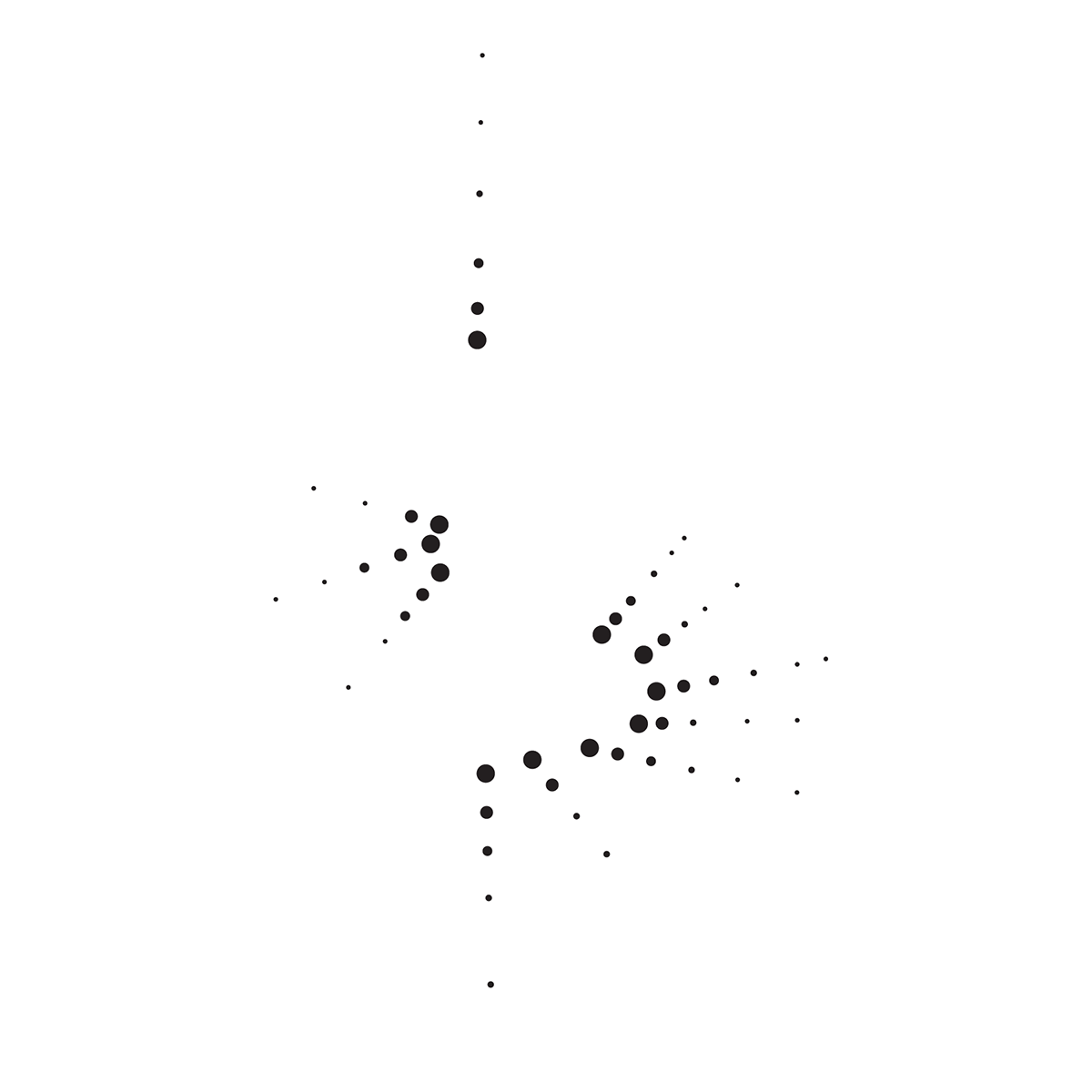
Expressive points: Clusters use density to imply structure.
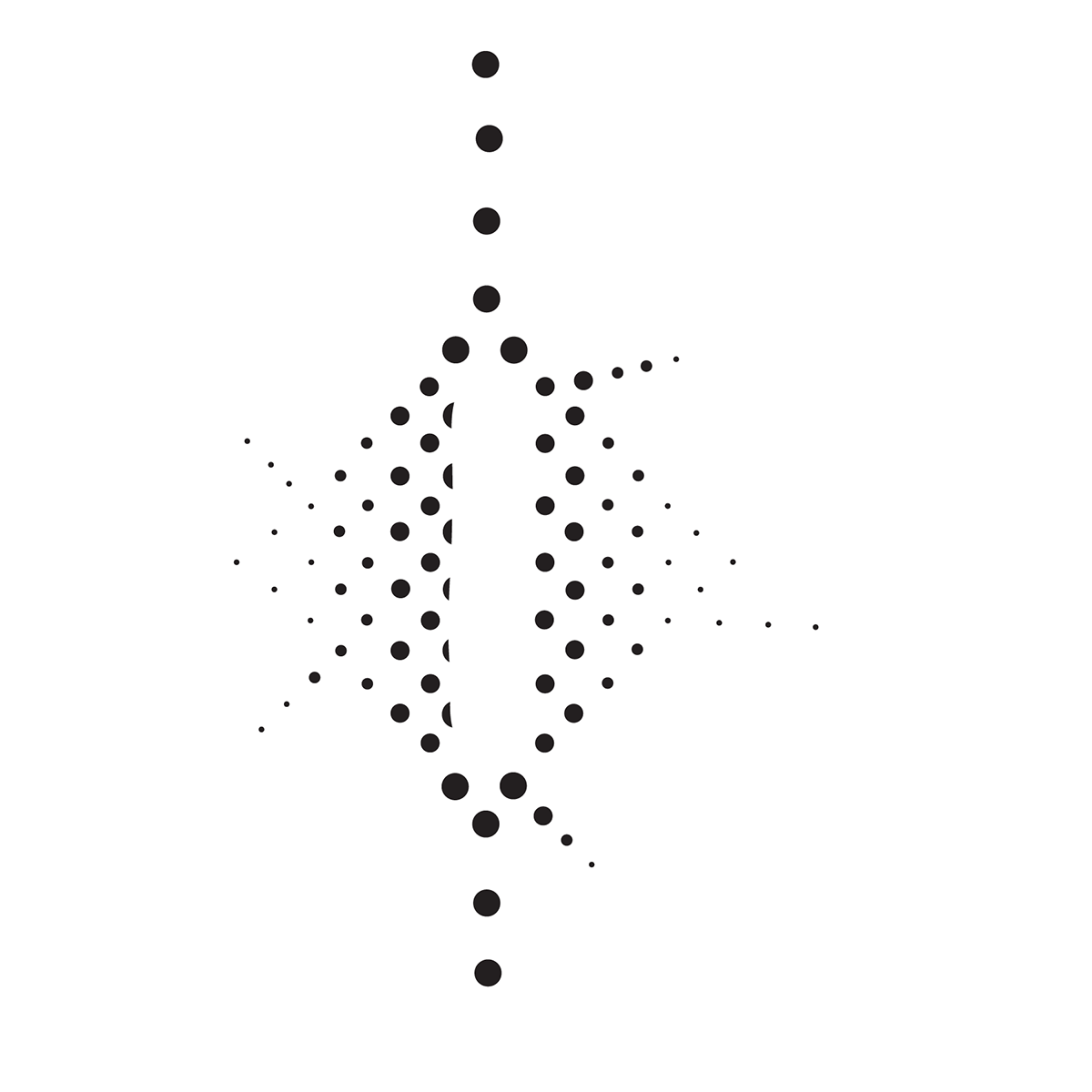
Expressive points, expanded: Greater variation strengthens directional movement.
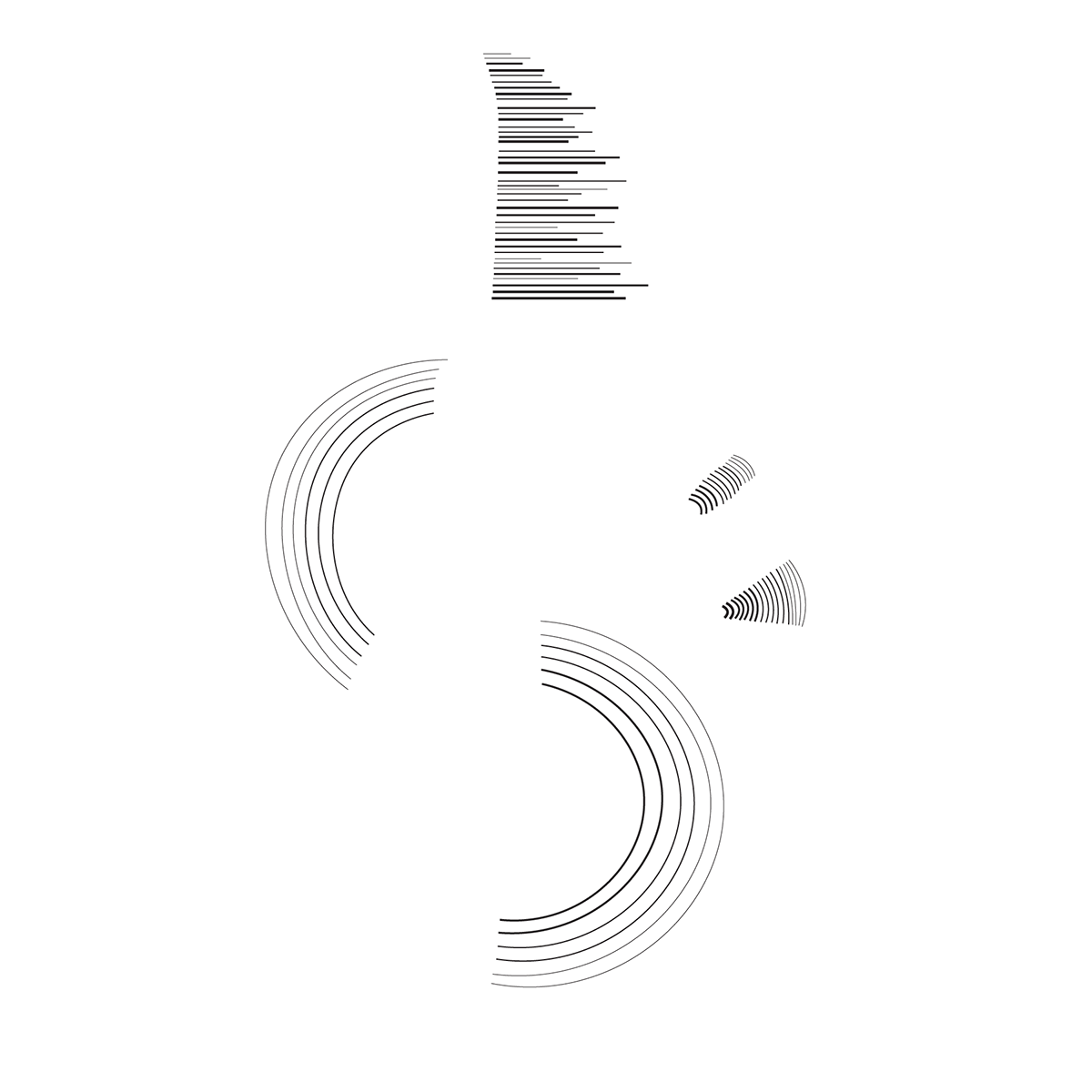
Expressive lines, geometric: Repeated arcs and line sets establish cadence.
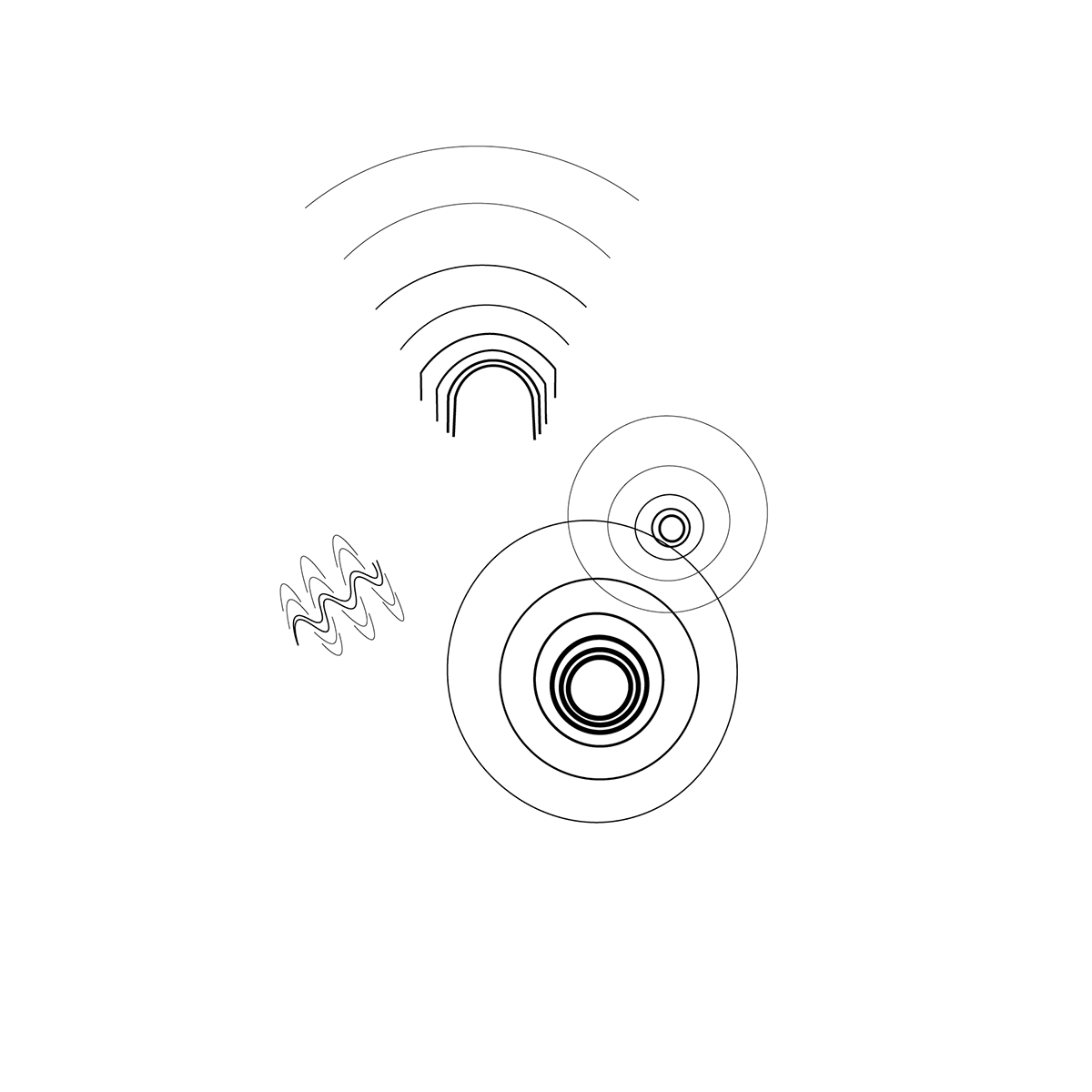
Expressive lines, composed: Overlapping motifs connect depth and emphasis.
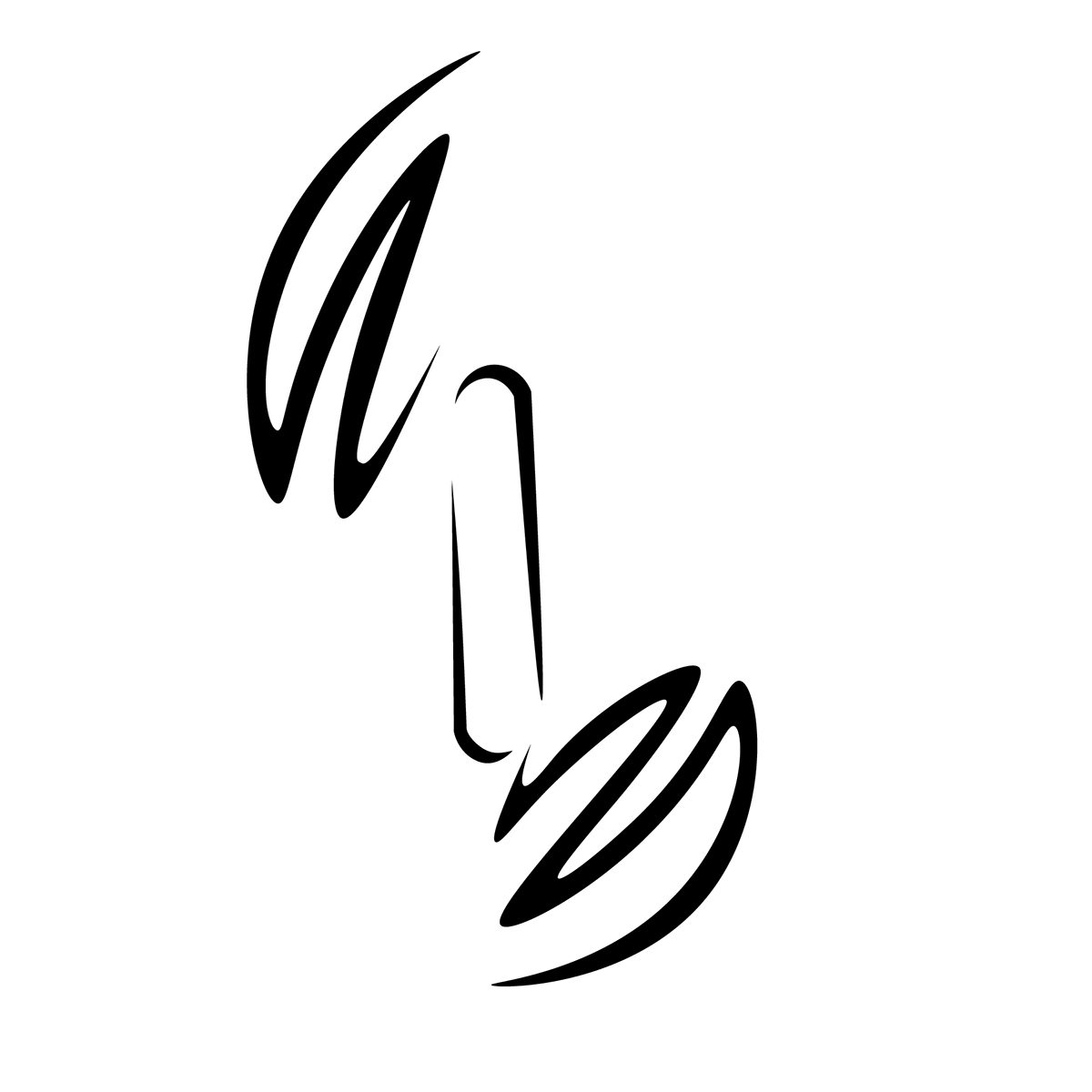
Expressive planes, gestural: Large shapes emphasize movement and contrast.
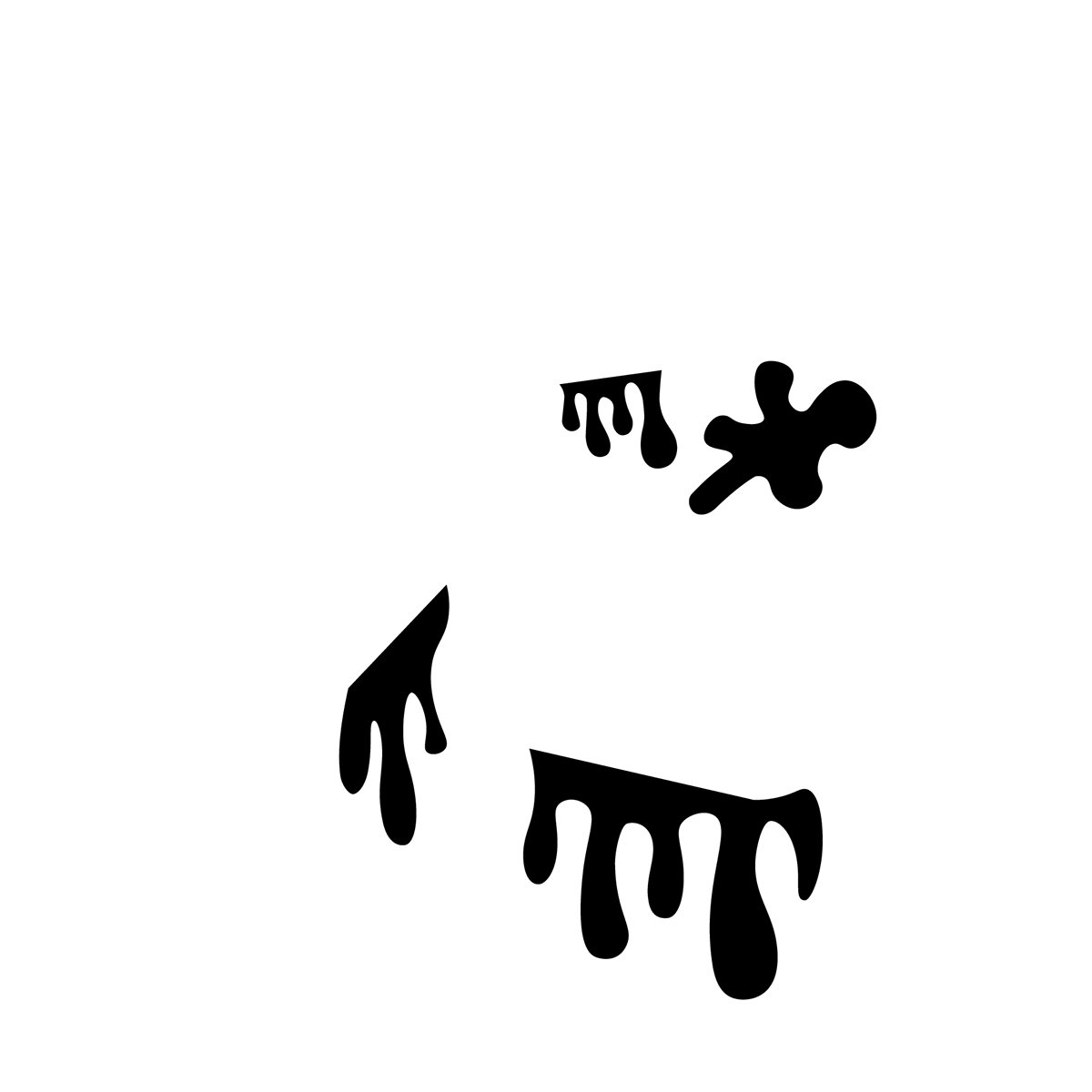
Expressive planes, organic: Fluid silhouettes prioritize gesture.
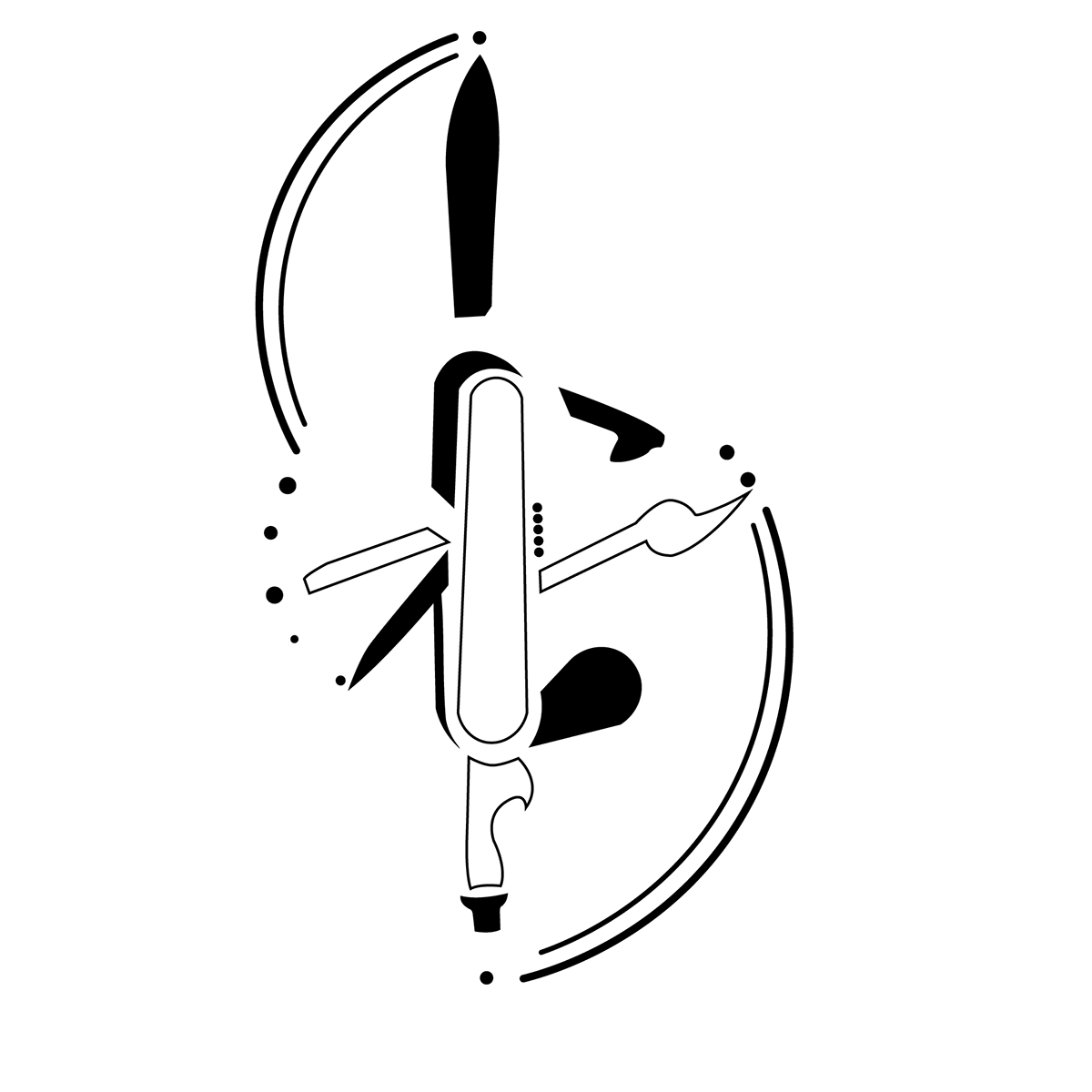
Combination, integrated: Points, lines, and planes coordinate texture and mass.
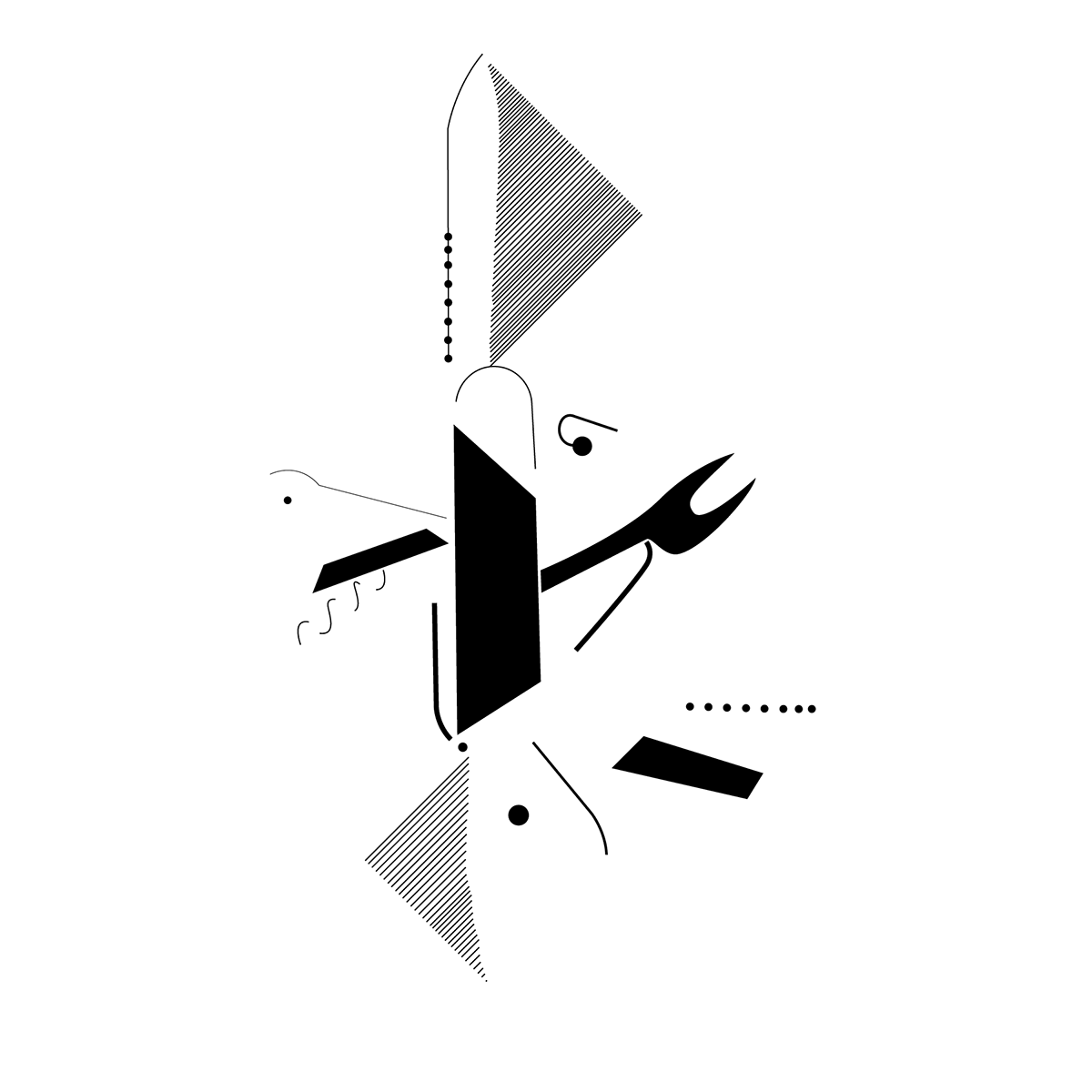
Combination, pattern and form: Secondary marks support the larger shapes.
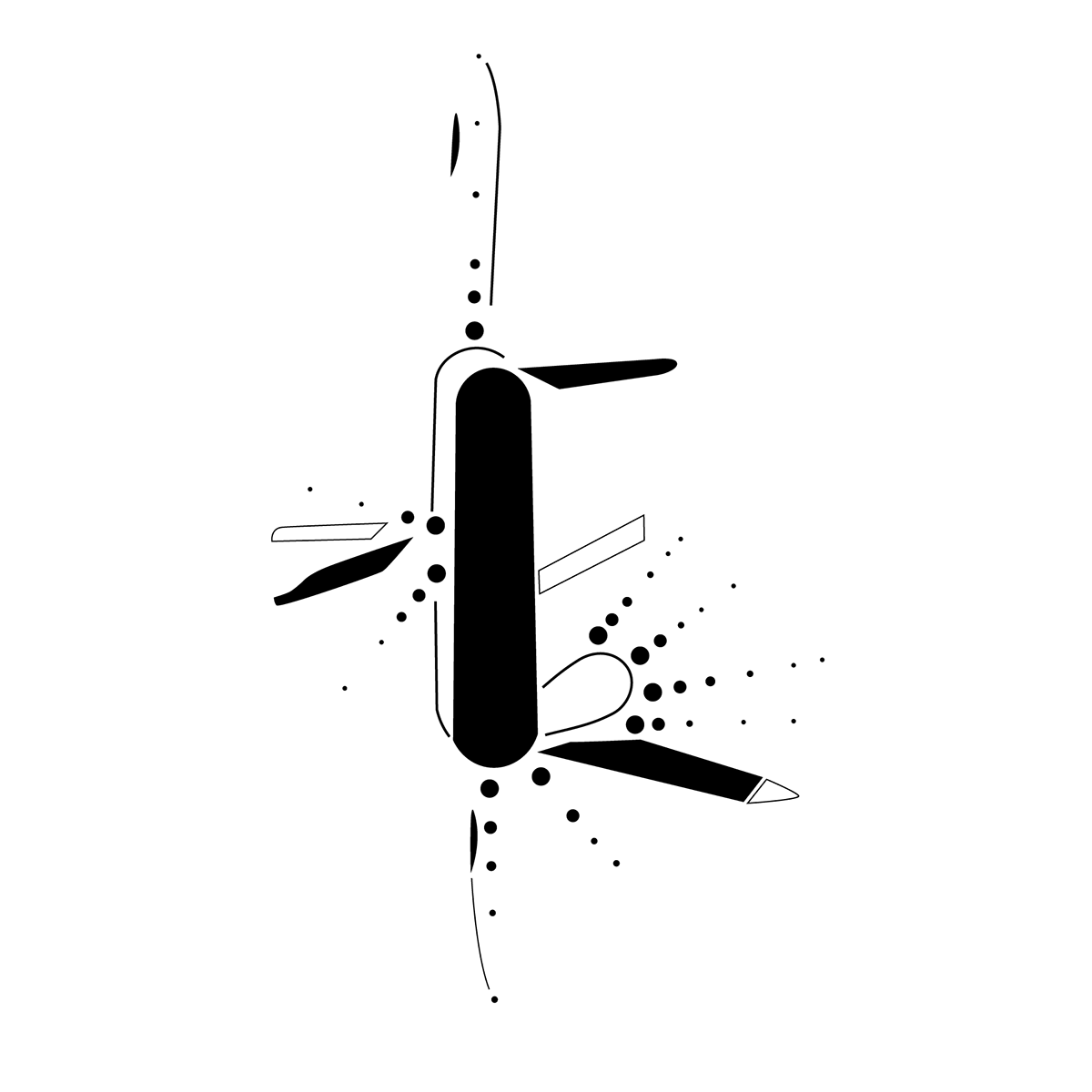
Combination, final: Point rhythm, line direction, and plane hierarchy are brought into one composition.

