The University of Akron • Introduction to Design I
Image Abstraction: Point, Line & Plane
Student designer: Kadin Chin
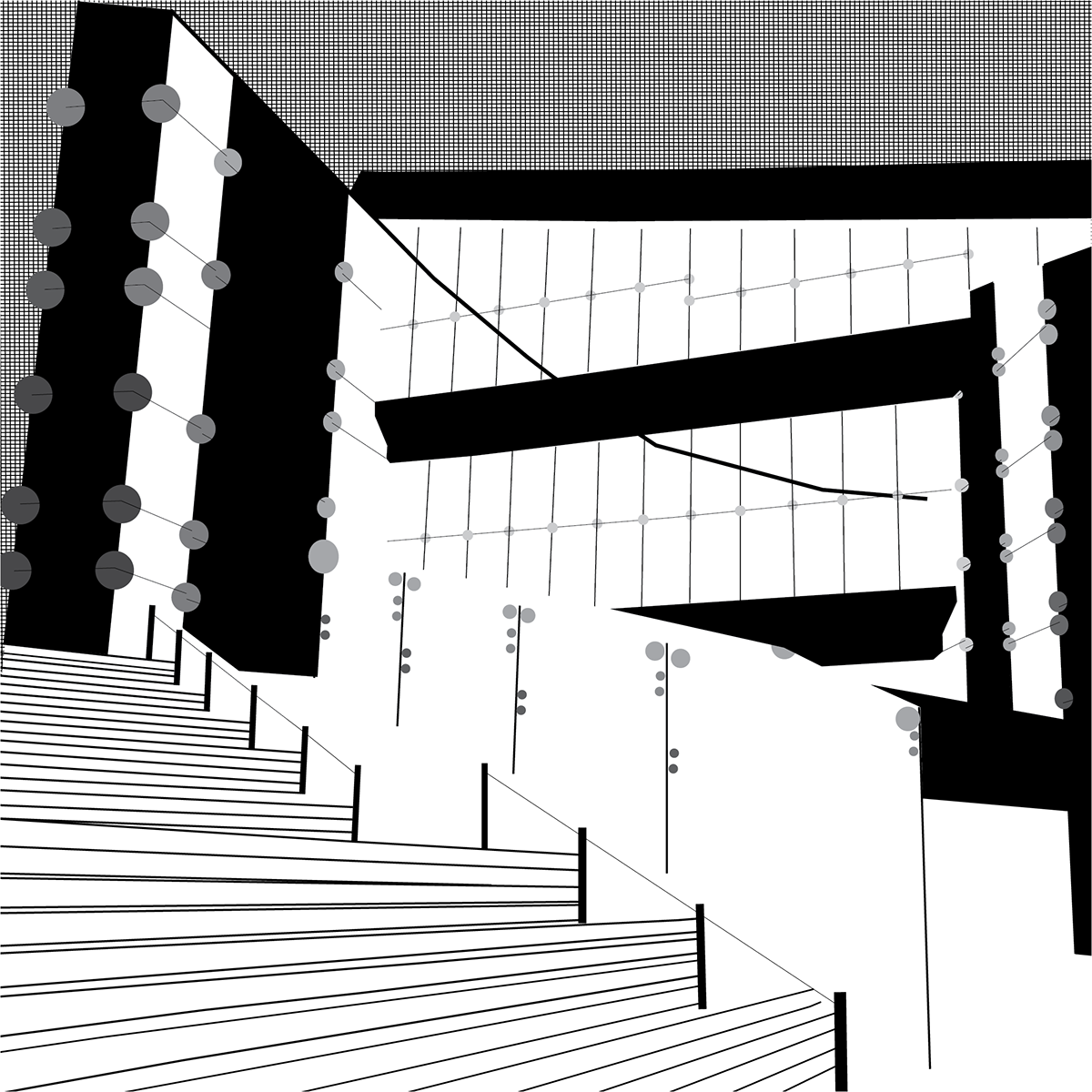
Final composition: Points, lines, and planes coordinate texture, mass, and negative space.
Assignment and teaching focus
This assignment begins with a student-made photograph of an observed environment and develops that observation into abstract compositions. Students analyze edges, masses, textures, and value relationships, then explore point, line, and plane separately and in combination.
The instructional emphasis is on selective reduction: deciding what can be removed while retaining a coherent spatial relationship. Successive studies provide a basis for comparing figure-ground, rhythm, depth, balance, and visual hierarchy.
Selected student response
Kadin Chin’s architectural subject produces studies of railings, columns, stairs, beams, and open spaces. Point density and line repetition suggest depth; large planes establish foreground and background. The final composition combines those approaches while reducing incidental detail. The sequence shows abstraction as an analytical activity grounded in observation, with each study testing a different way to describe the same space.
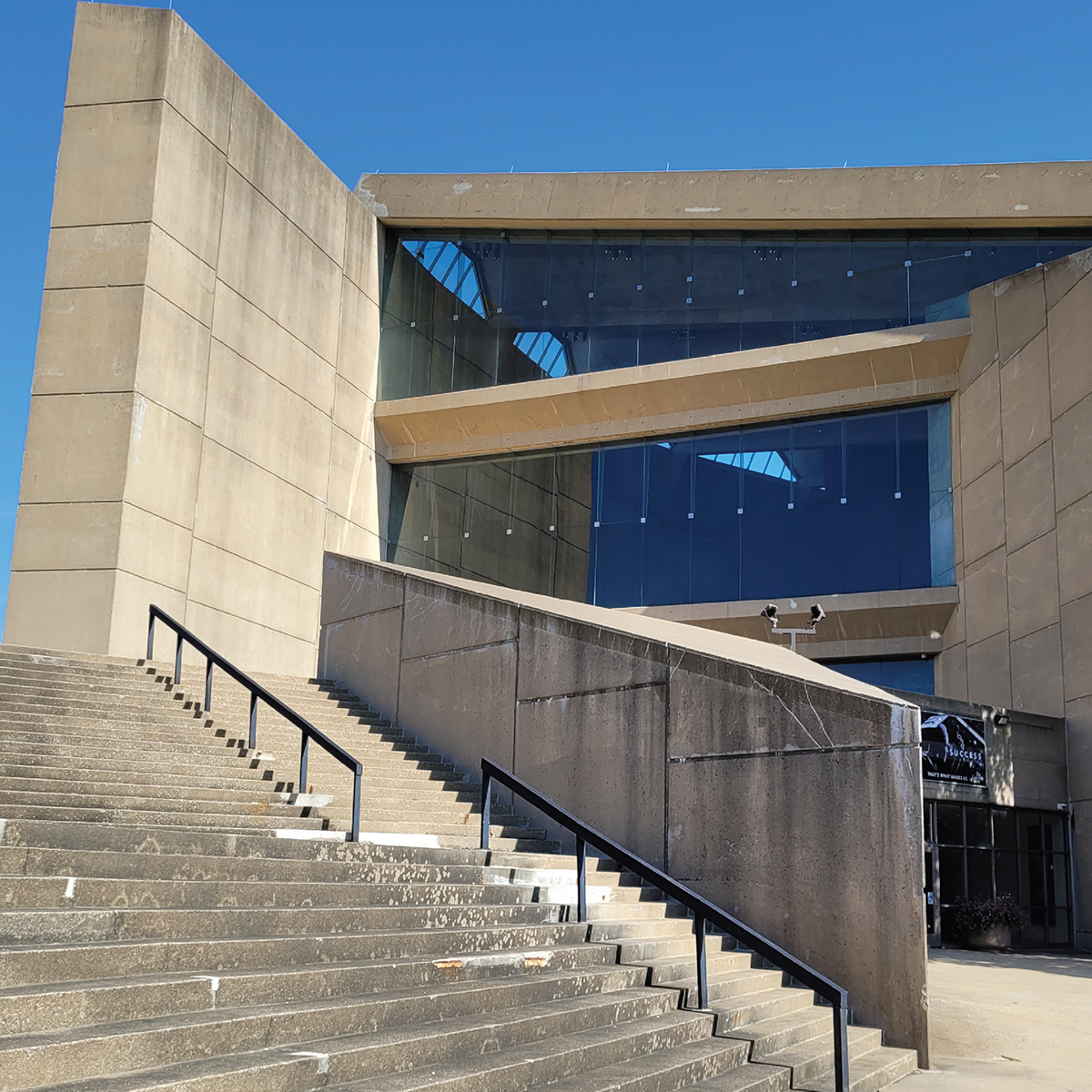
Source photograph: An observed architectural space provides the reference.
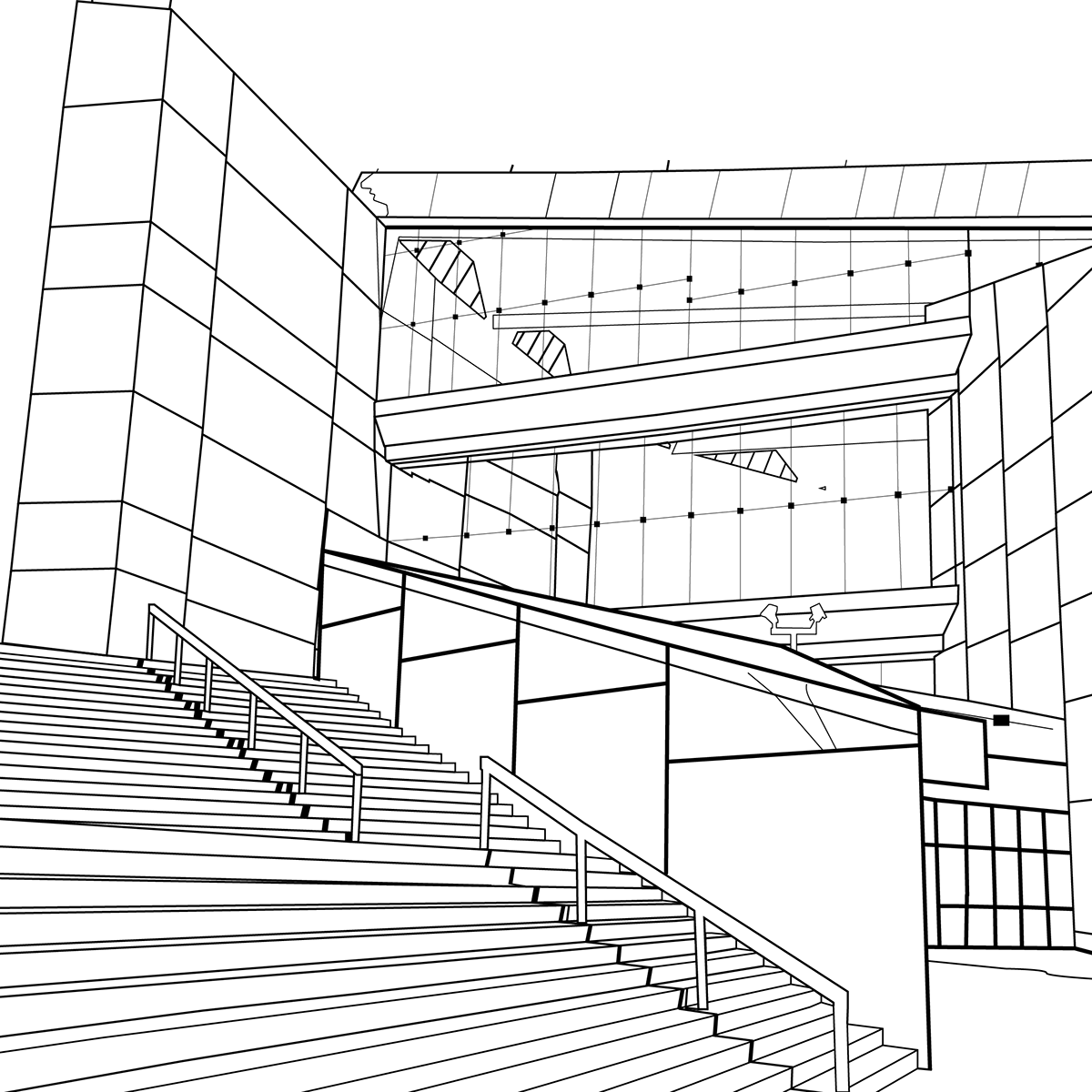
Outline: Principal edges establish perspective and structure.
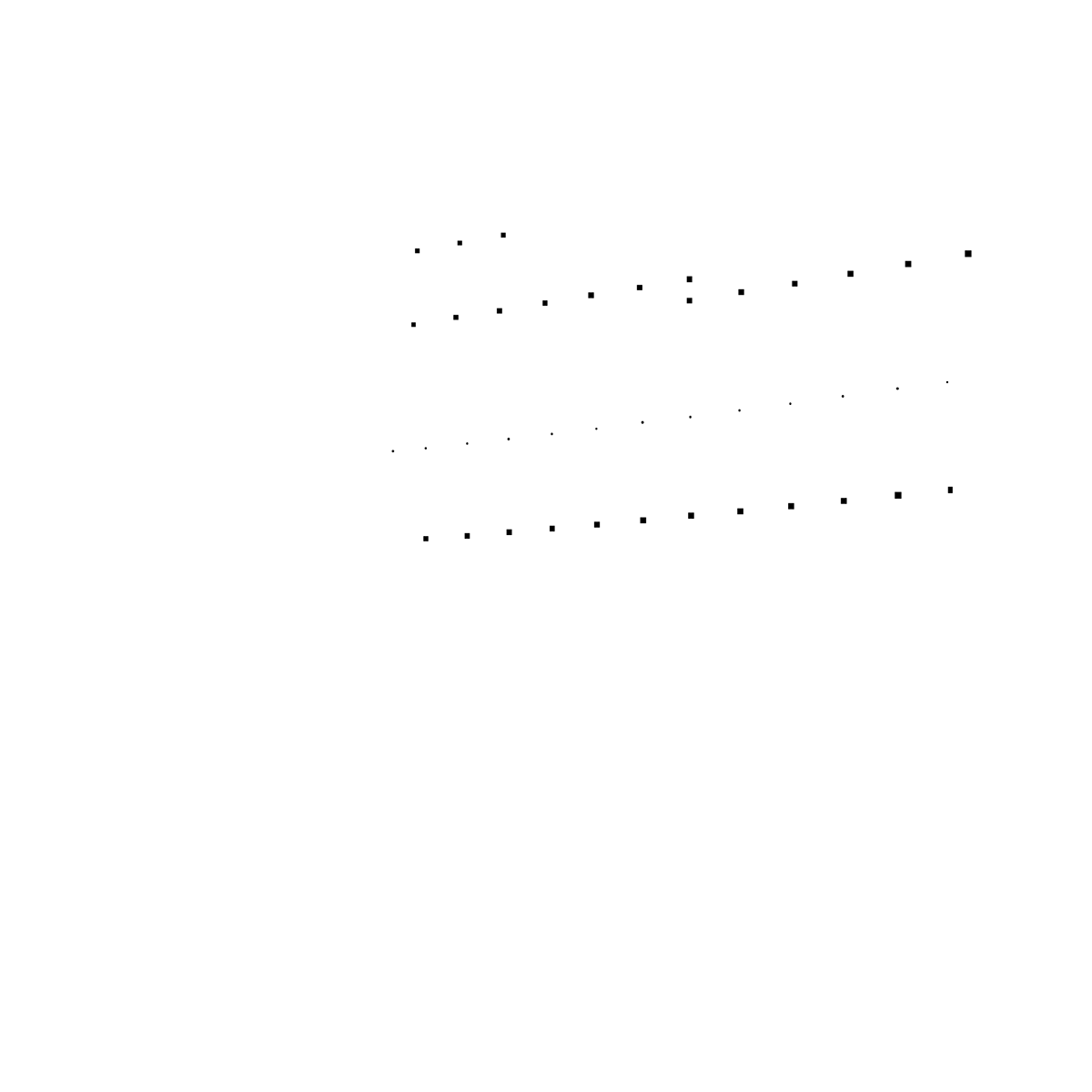
Points: Placement and scale suggest depth.
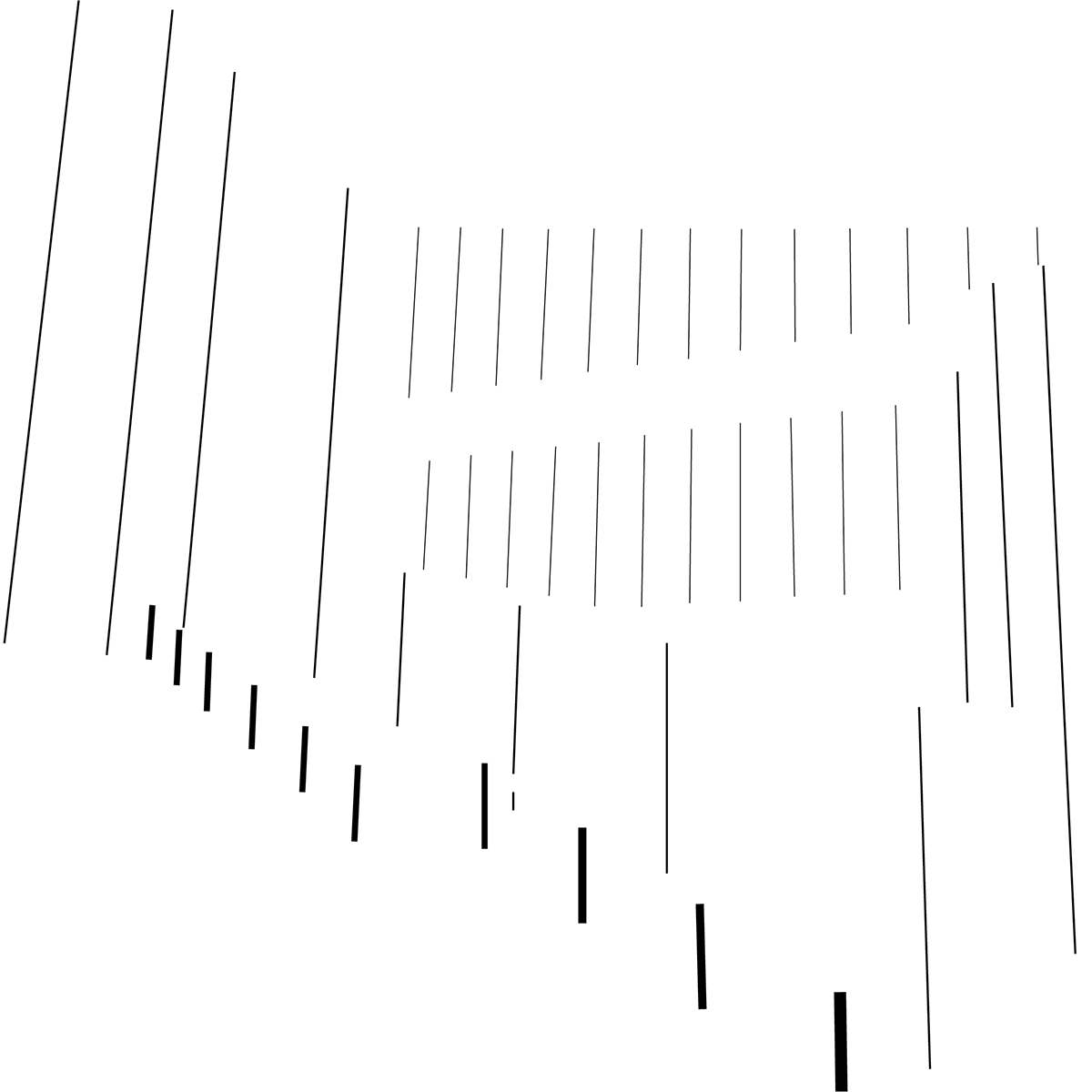
Lines: Repetition translates railings, columns, and façade rhythms.
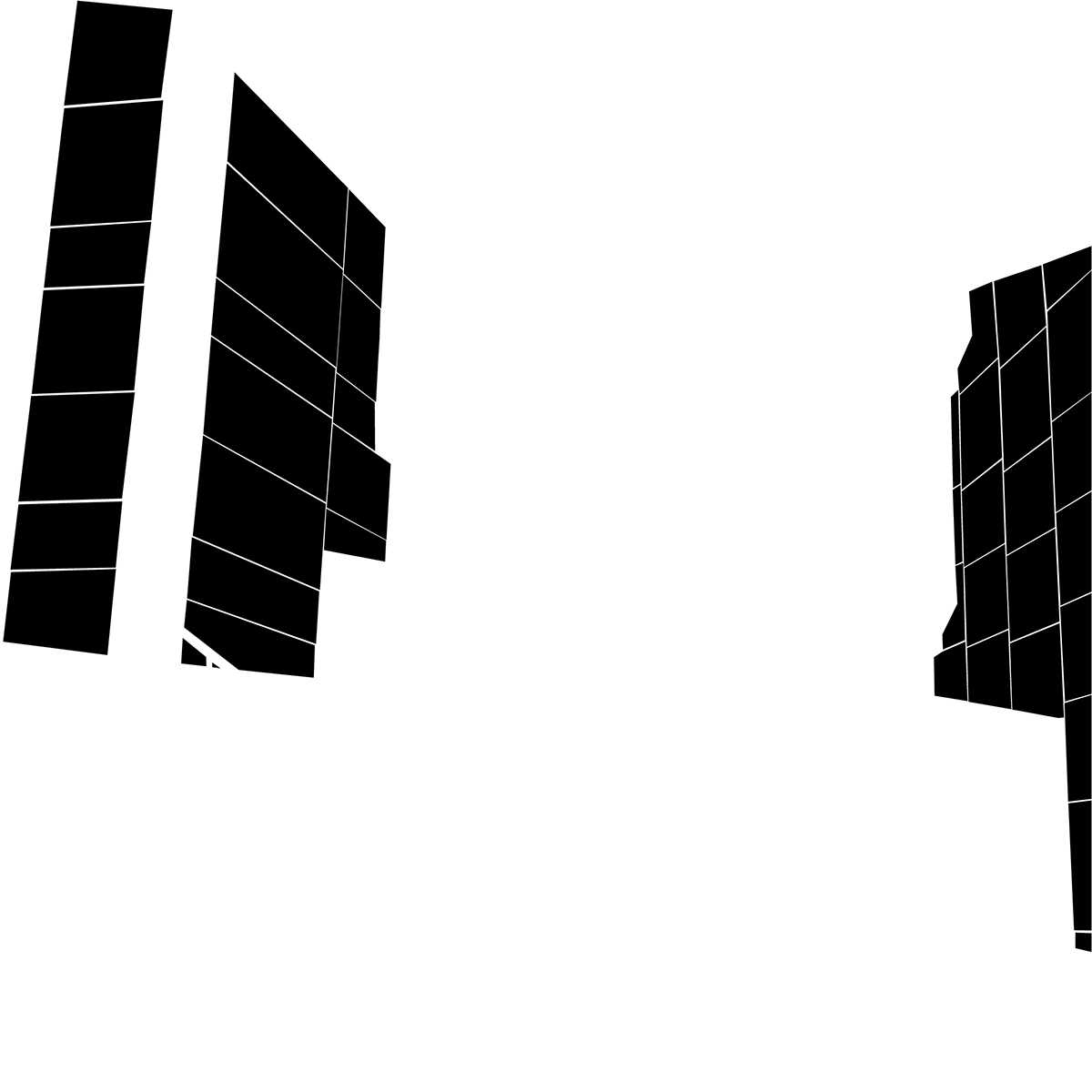
Planes: Black masses test figure-ground and visual weight.
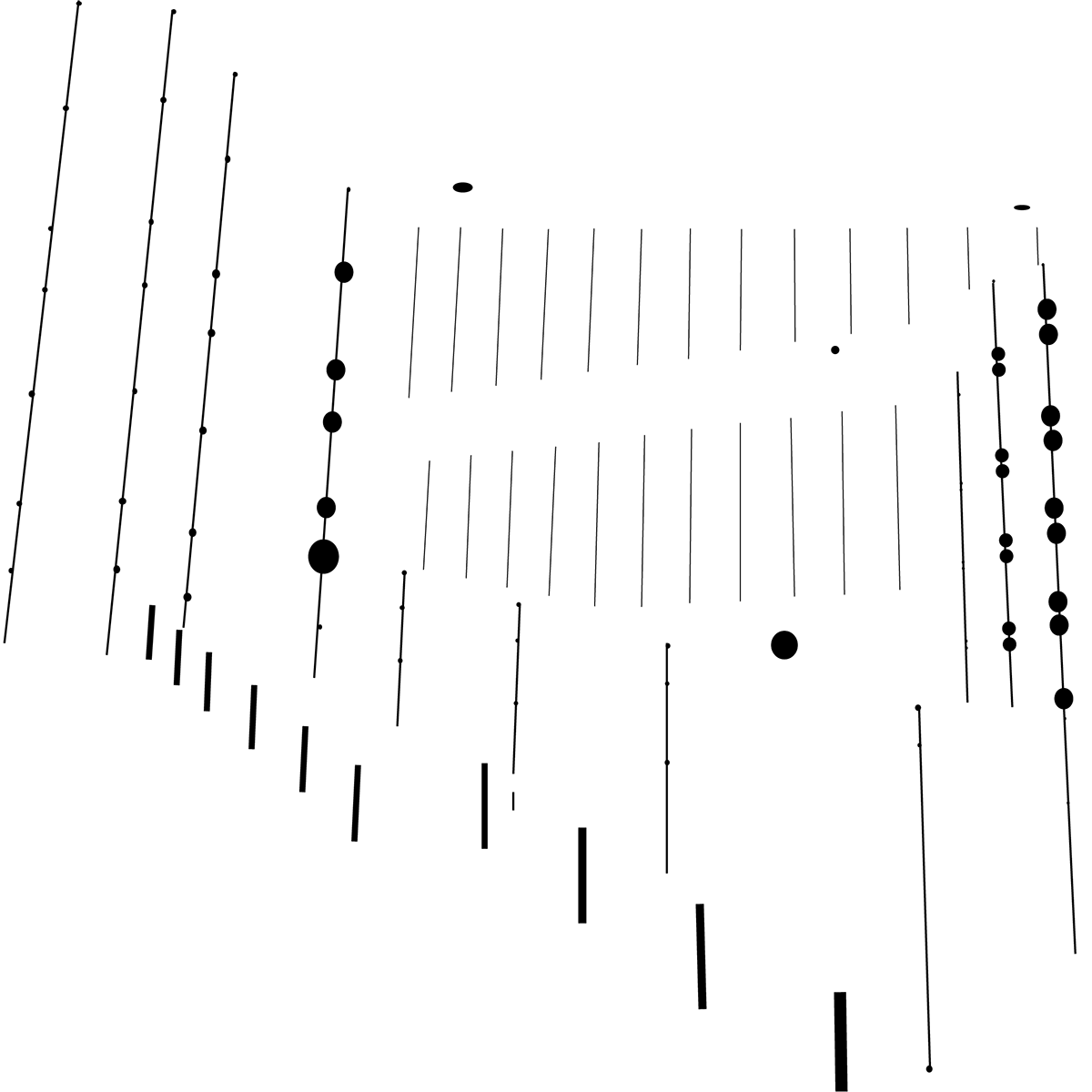
Combination, line and point: Density and stroke relationships reintroduce spatial cues.
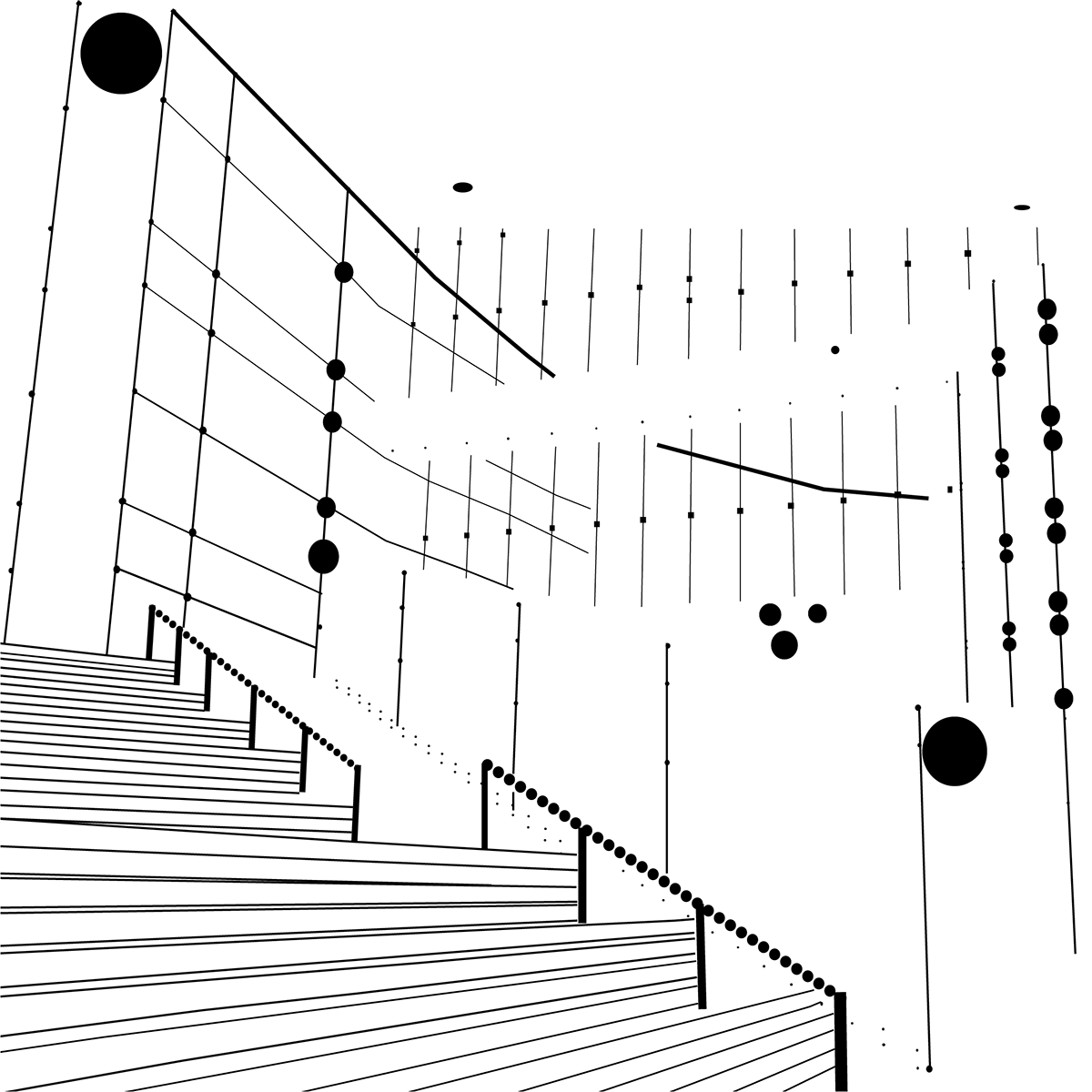
Combination, outline and accents: Selective marks distinguish structure from detail.
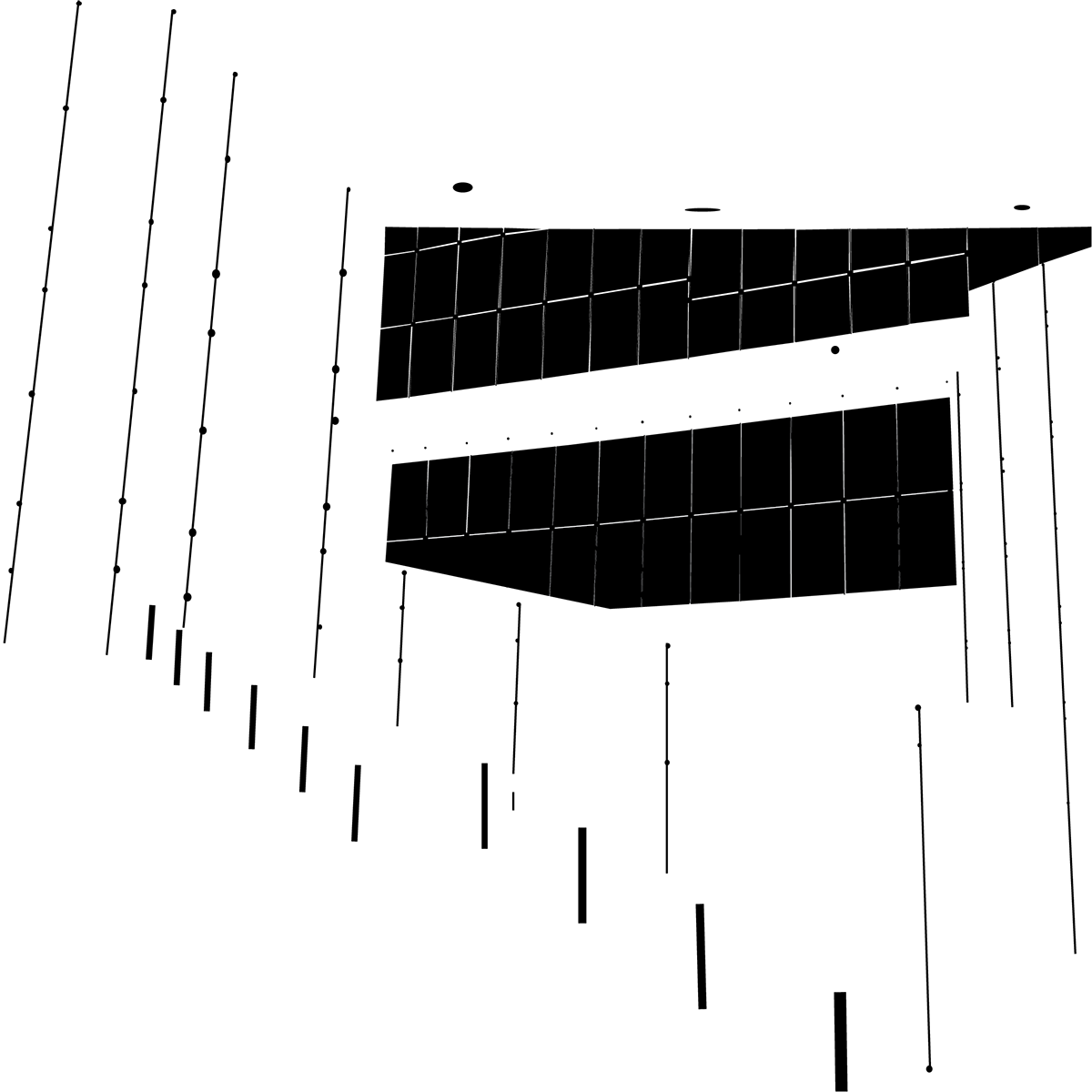
Combination, planes reintroduced: Larger masses establish focal anchors.
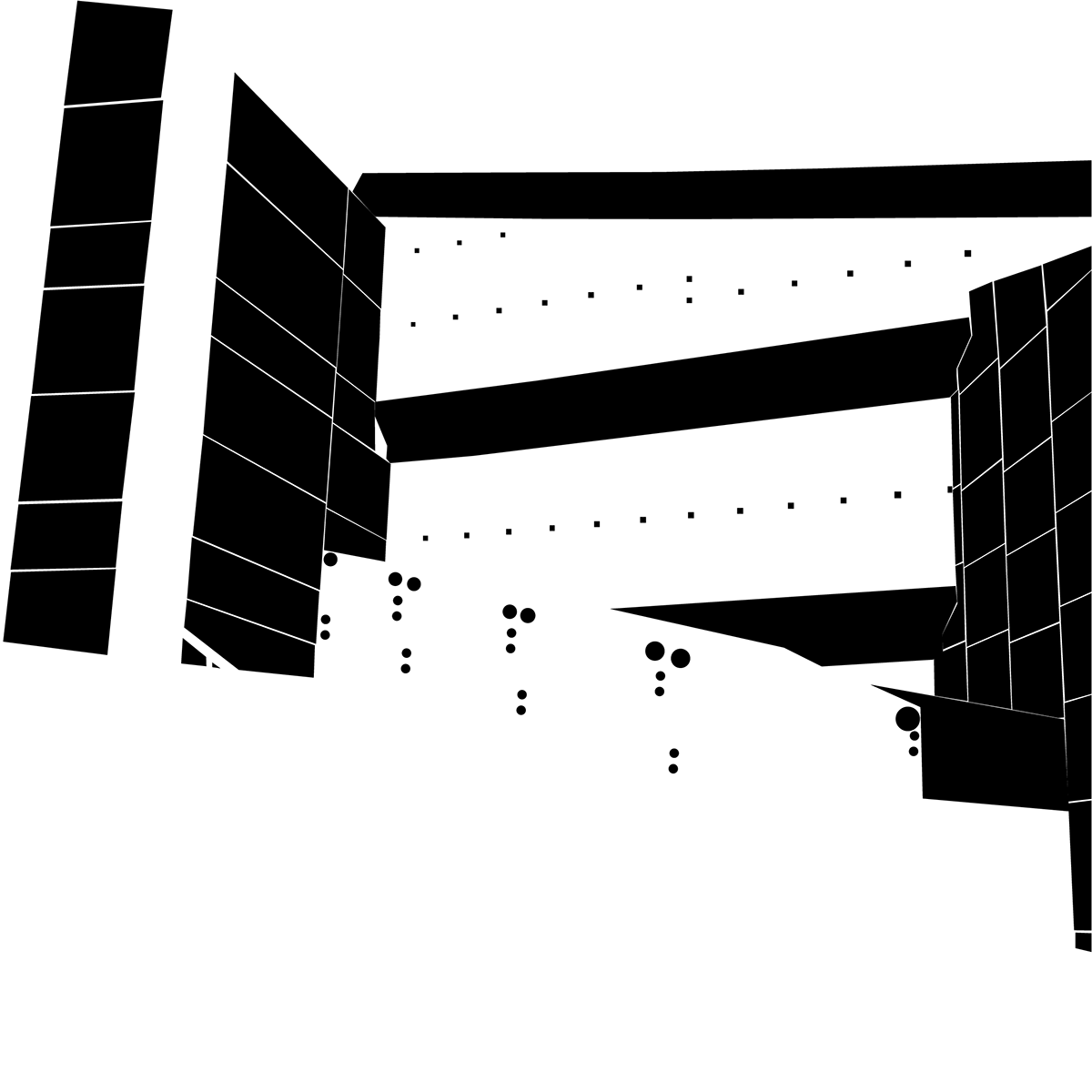
Combination, expanded planes: Shape relationships distinguish foreground and background.
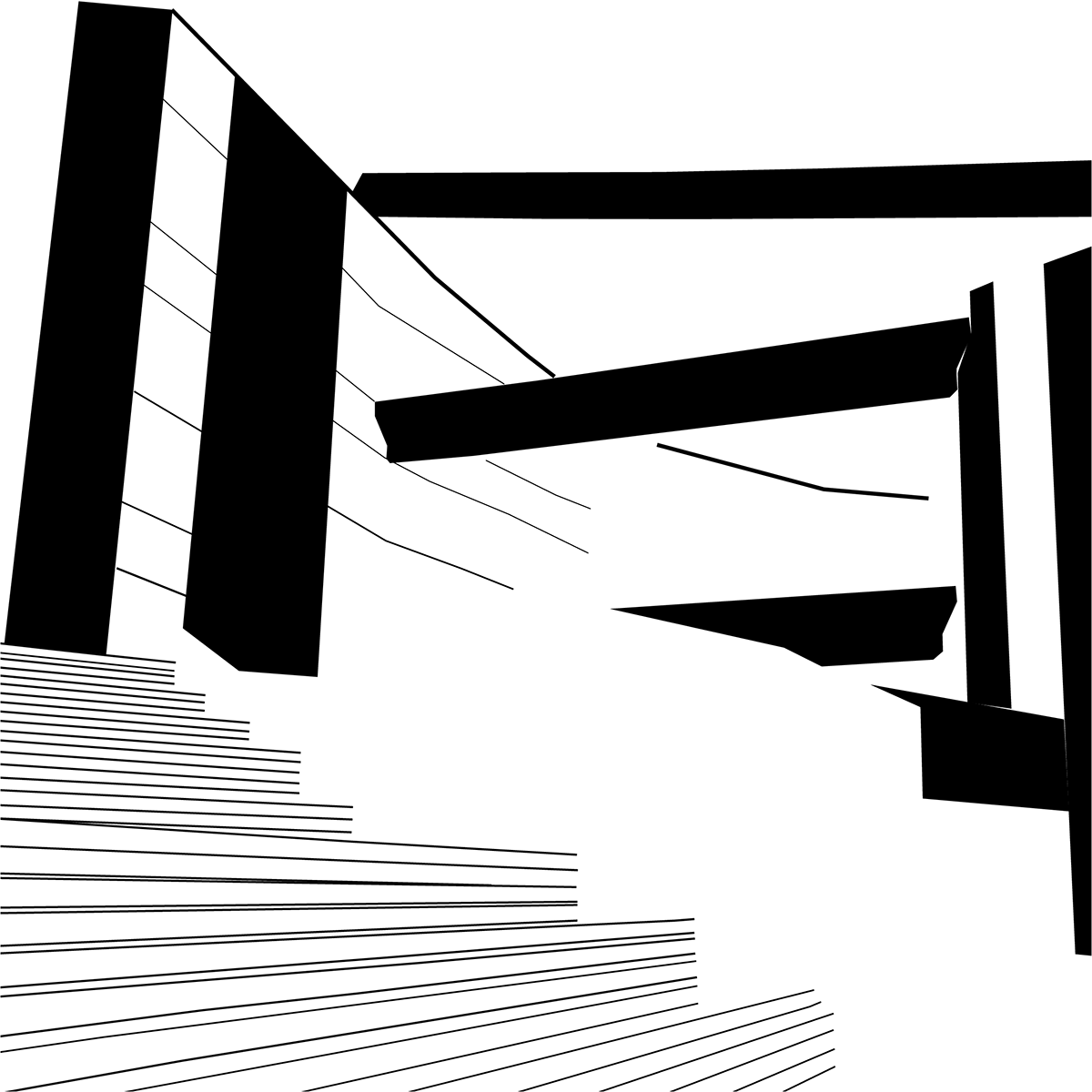
Combination, consolidated: Reduction concentrates the description of stairs, beams, and voids.

